One of the most repeated—and most damaging—narratives about Bicolanos is this:
“Mga urangkang garo talangka. Hilahan pababa.”
(Bicolanos are like crabs. They pull each other down.)
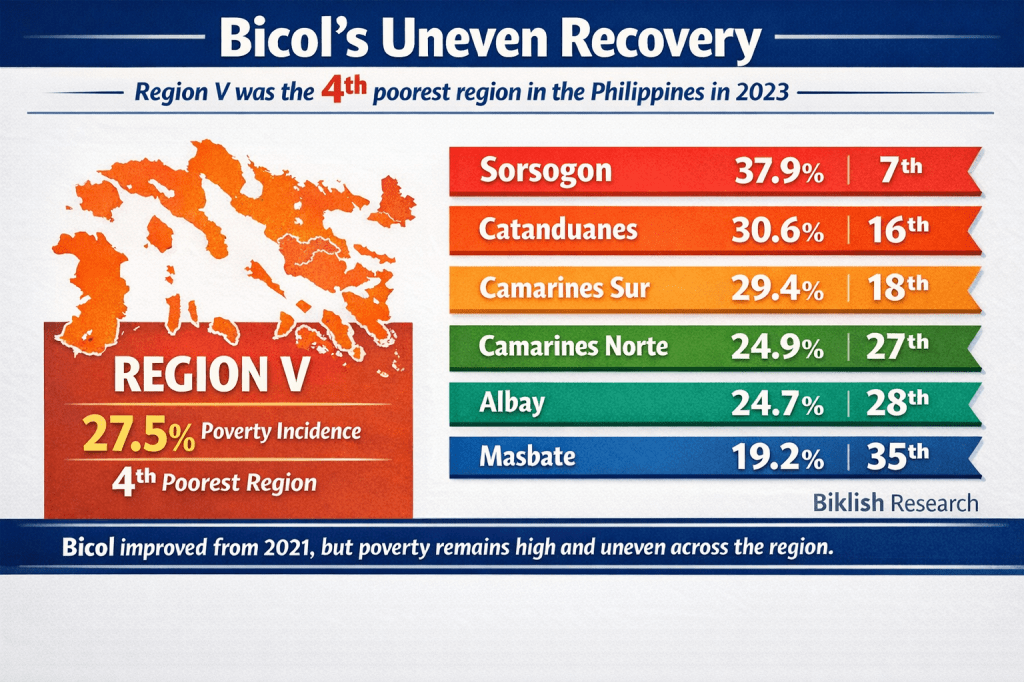
People say this is why Bicol remains one of the country’s poorest regions.
Too much rivalry.
Too much local politics.
Too much provincial ego.
Too little cooperation.
And to be fair, there are moments when the stereotype feels painfully familiar.
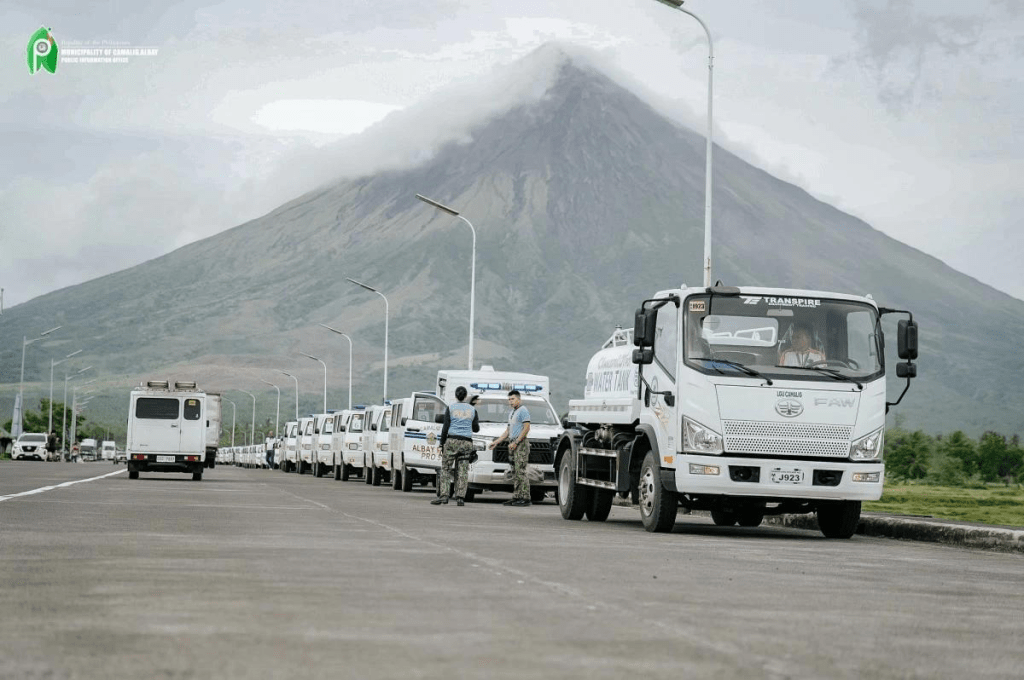
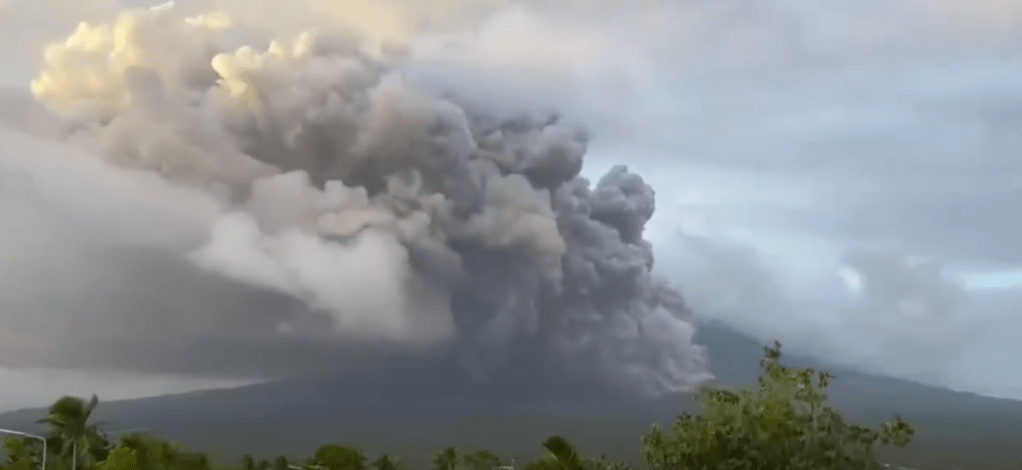
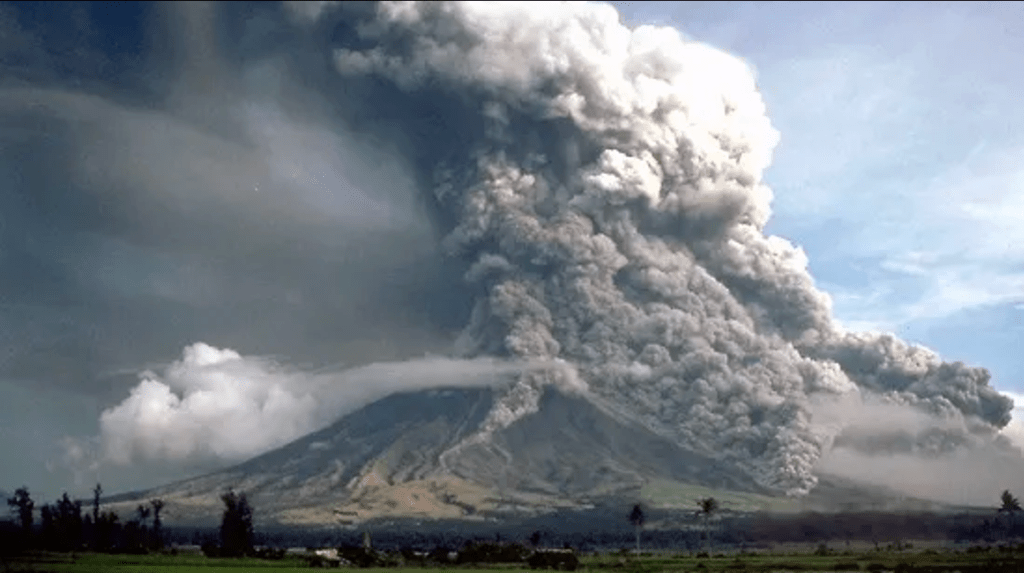
But when Mayon Volcano covered parts of Albay in ash, another story emerged—one that challenged that old narrative. It came in the form of a convoy from Sorsogon.
When heavy ashfall affected communities in Guinobatan, Camalig, and nearby towns, the Sorsogon provincial government launched “Tabang kan Sorsoganon,” sending thousands of food packs, water systems, water trucks, and emergency support equipment to Albay.
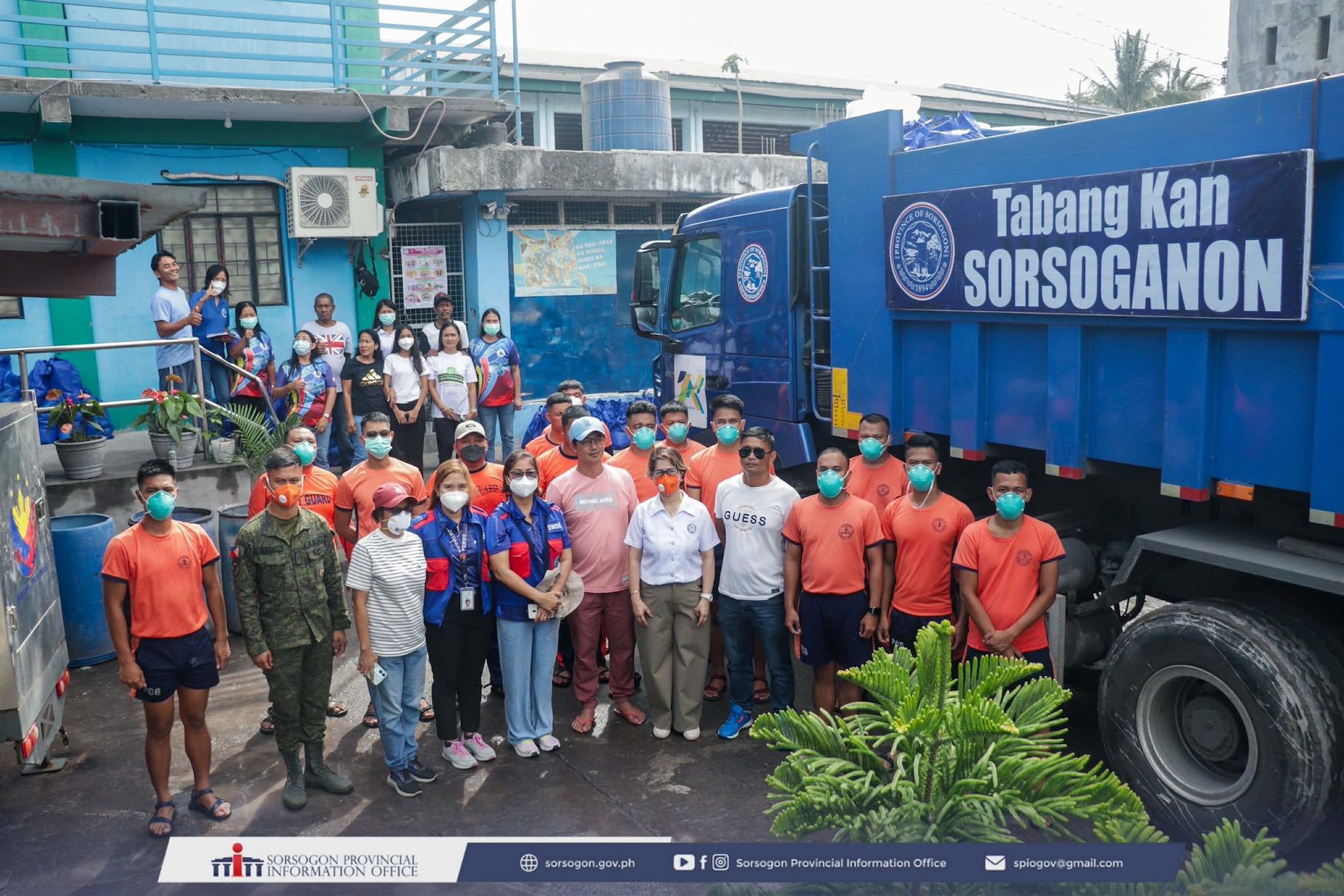
Soon after, other provinces followed. Masbate deployed water lorries and desalination equipment. Camarines Sur augmented water supply operations. National agencies intensified disaster response efforts across the region.
And for a brief moment, Bicolanos saw something rarely highlighted in discussions about the region: not competition, but cooperation.
Because disasters reveal character. And in times of crisis, provincial boundaries suddenly become less important than shared experience.
The truth is, Bicolanos understand calamities better than most.
Today, Mayon affects Albay. Tomorrow, a typhoon may isolate Catanduanes. Next month, flooding may hit CamSur or Sorsogon.
In Bicol, people know that eventually, everyone takes a turn. That is why “Tabang kan Sorsoganon” resonated beyond relief operations. It felt personal. It reminded people that beneath political rivalries and online noise, there is still a strong instinct for solidarity.
And maybe that matters more than people realize.
For years, Bicol has struggled not only with poverty and disasters, but also with fragmentation. Provinces often compete instead of collaborate. Local pride sometimes turns into local division.
But regional progress does not happen through isolated success stories alone.
Infrastructure connects provinces.
Trade crosses borders.
Disasters ignore political lines.
And increasingly, even economic opportunities—tourism, logistics, renewable energy, agriculture—require cooperation beyond individual LGUs.
That is why this week’s story mattered.
Not because Sorsogon solved Albay’s problems overnight.
But because it quietly showed what Bicol could look like if provinces consistently worked together instead of treating each other as rivals.
The irony is that the same region often accused of “pulling each other down” may actually survive because of the opposite. Because when disasters strike, Bicolanos repeatedly show up for one another.
Quietly. Quickly. Naturally.
And perhaps that is the bigger lesson behind “Tabang kan Sorsoganon.”
Maybe the real Bicol story is not the stereotype people keep repeating.
Maybe the real story is that despite everything—ashfall, typhoons, poverty, politics—Bicolanos still know how to help fellow Bicolanos when it matters most.



Leave a comment