Camarines Sur travelers are now feeling the impact of a problem that has been years in the making.
The immediate trigger is the NAIA turboprop policy. The Manila Slot Coordination Committee, under the Department of Transportation, ordered airlines to phase out turboprop operations at NAIA so runway slots could be prioritized for larger aircraft. Cebu Pacific earlier identified Naga as one of the routes affected by that shift.
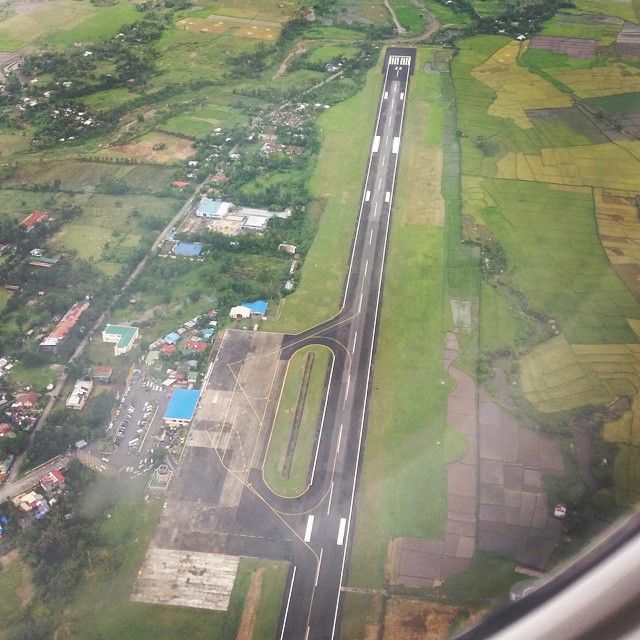
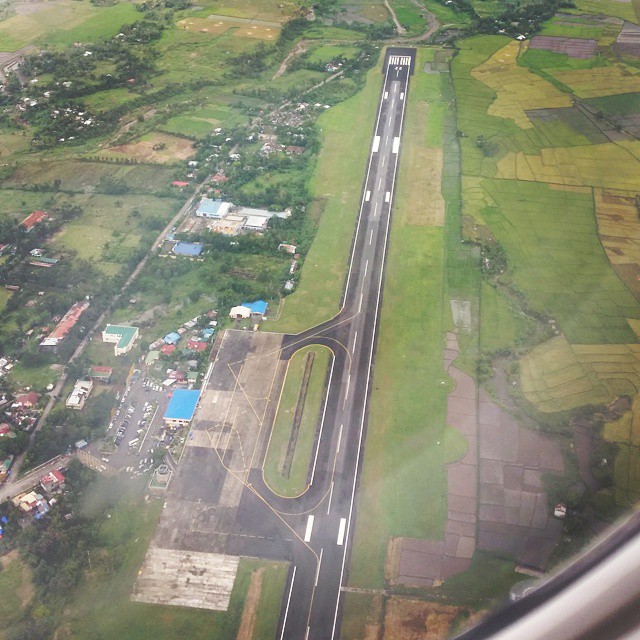
But the bigger issue is local: Naga Airport still cannot fully accommodate larger aircraft because its runway remains too short for regular jet operations. Recent public reporting on the airport upgrade has framed the project as necessary precisely so bigger planes can eventually use the airport.
And that is where the story turns painful.
The Naga Airport Reorientation Project has been on the table for years. Naga City’s own public information office said in 2023 that the project had already been delayed for more than a decade, with the cost swelling to more than P10 billion, while around 130 hectares still had to be acquired for the new airport layout. It also said roughly P1 billion in initial funding remained available once the reorientation project finally moved.
Why did it stall? The safest way to say it is this: the project got bogged down in Right of Way problems. Publicly circulated local reports and statements have attributed the disputed land offer to the Camarines Sur Provincial Government or the Capitol, not to DOTr, which reportedly offered a measly amount of P8.85 per square meter. DOTr, though, is willing to pay at least PhP 116/sqm to a little over PhP 200/sqm.
It should be noted that Naga City Airport is located in the Municipality of Pili, the capital town of CamSur. Naga City, the other hand, is an independent city and does not vote for CamSur provincial officials.
That delay came with a heavy price. What should have been an airport upgrade years ago became a dragged-out infrastructure problem, and now travelers are the ones absorbing the hassle through longer routes, fewer options, and more uncertainty. Even current provincial messaging now frames the airport modernization as a catch-up effort, with completion targeted only by 2029.
So this is not just a story about cancelled flights. It is a story about how a long-delayed airport fix left CamSur vulnerable the moment NAIA rules changed.
In short: the flights were grounded by policy, but the deeper damage was grounded by delay.



Leave a comment