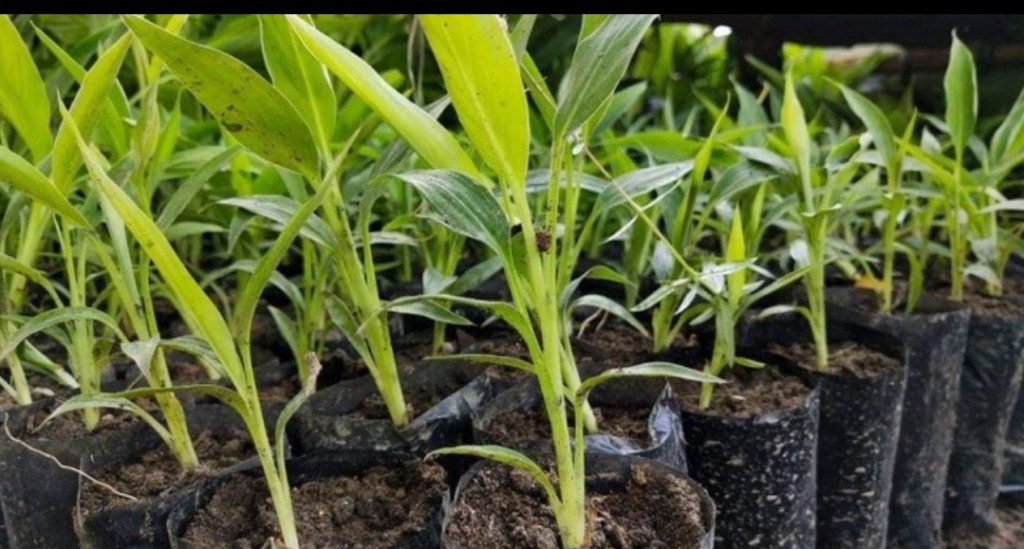
Metro DALE, Albay — While big-ticket infrastructure often steals the spotlight, a quieter but no-less-important boost landed in Albay’s upland farms last January 29, when Philippine Fiber Industry Development Authority (PhilFIDA) Bicol, together with the PhilFIDA Albay Provincial Office, rolled out 3,953 high-quality abaca planting materials to local farmers.
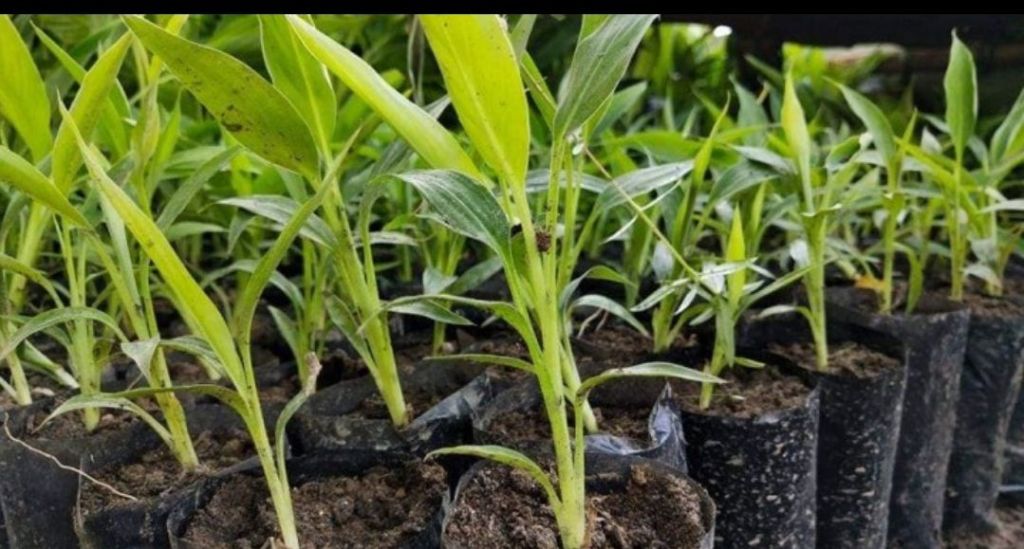
The beneficiaries came from Barangay Balinad and Barangay Salvacion in Daraga, and Barangay Cagbacong in Legazpi—communities where abaca remains more than just a crop, but a long-term livelihood.
According to PhilFIDA, the planting materials were sourced from the Sorsogon Fiber Experimental Station, a government facility known for producing disease-free and high-quality abaca stocks. Translation in Biklish: hindi basta punla—ito ‘yung klase na mas may laban sa sakit, klima, at low yields.
Abaca as Economic Pillar
Abaca is one of those “quiet economy” pillars of Bicol. Hindi siya kasing ingay ng tourism or infrastructure, pero kapag bumagsak ang produksyon, ramdam agad ng mga magsasaka. Quality planting materials mean better survival rates, stronger fiber yield, and less wasted seasons—critical in a region regularly tested by typhoons and plant diseases.
For Albay, this distribution is also about protecting a value chain, not just helping individual farmers. Abaca feeds into rope-making, handicrafts, specialty paper, and export markets—small decisions at the farm level, big implications down the line.
A slow-build strategy
Unlike one-off ayuda, PhilFIDA’s move fits a longer game: strengthen the base, then let production follow. It’s not flashy, but it’s the kind of intervention that quietly answers a big question—how to make farmers resilient?
Sometimes, the answer isn’t a megaproject. Sometimes, it’s 3,953 pieces of the right planting material, handed to the right farmers, at the right time.







Leave a comment