Bicol boasts a profound historical legacy; however, due to the scarcity of written records, the exploration of the region’s diverse locales has predominantly revolved around toponymy. The name of Sipocot, for instance, is claimed to have originated from a local plant called “sikwate.” The plant is known for its small, round fruit that resembles a small coconut, which is called “pokot” in the local dialect. Over time, the name “Sikwate-pokot” is believed to have evolved into “Sipocot.” Or that a misunderstanding between the locales and Spaniards surveying the area occured with the former pointing Pokot (Si Pokot) to the colonizers.
Fortunately, scholars such as Danny Gerona have taken significant strides to address this gap, providing us with meticulously researched notes grounded in verifiable historical records. Which is why we have learned that today, July 3, is the 123rd Founding Anniversary of the town that serves as a major stopover for land travels between Manila and Legazpi City.
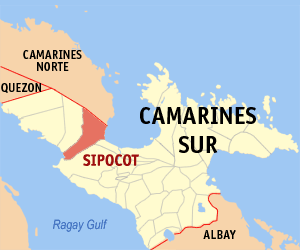
Sipocot, however, is not just significant for its being a stopover or for being the base of a fork road to Manila or to Camarines Norte. It is also a living testament to the enduring spirit of a town deeply rooted in history and tradition. From its humble beginnings to its present-day vibrancy, Sipocot has evolved into a dynamic hub of commerce, industry, and cultural heritage, embodying resilience, progress, and visionary leadership.
Throughout its history, Sipocot has witnessed significant transformations that have shaped its identity. At the turn of the 20th century, the town experienced a pivotal shift in transportation infrastructure, transitioning from waterways to land routes. The development of railroad systems and road networks transformed Sipocot into a central transit point in the province’s first district, linking it to various destinations across Luzon and laying the groundwork for future economic growth and prosperity.
The burgeoning economy of the United States before World War II played a crucial role in the town’s development. The demand for timber to fuel American industrial expansion led to substantial investments in the forest resources of Camarines Sur and Camarines Norte. Sipocot, with its abundant forest reserves, became a magnet for logging companies, providing employment opportunities for local residents and migrants. The boom in the local construction industry, catalyzed by the extension of the railway system across the Bicol Region, further propelled Sipocot’s logging sector to new heights. By the 1950s, the town boasted five sawmills, employing hundreds of workers and producing an impressive daily output of 150,000 board feet.
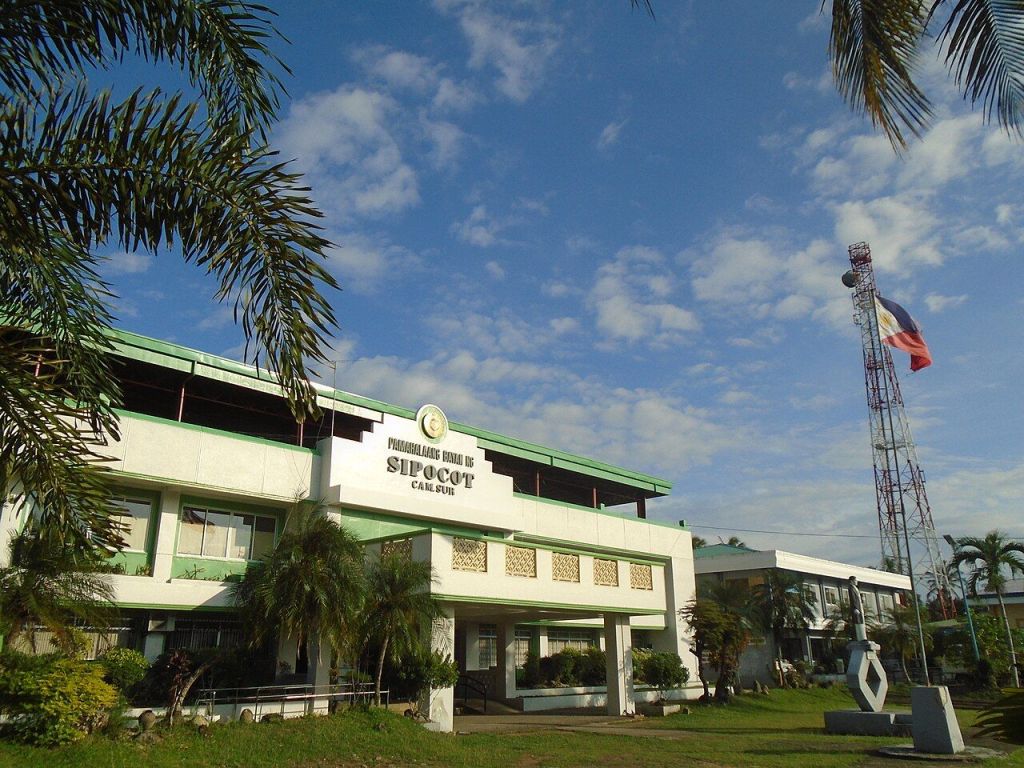
In the post-war era, Sipocot experienced infrastructural advancements, educational reforms, and community empowerment programs that laid a solid foundation for a prosperous future.
Today, as Sipocot celebrates its foundation day on July 3, 1901, the town continues to honor its rich heritage while embracing change and innovation. With a deep sense of pride in its past and a clear vision for the future, Sipocot remains a shining example of progress, unity, and resilience in the heart of Camarines Sur.









Leave a comment