Something interesting is quietly happening in Bicol. It’s not as loud as elections, not as emotional as poverty debates, and not as visible as new roads. No, it’s not Noel Rosal’s case nor L-Ray Villafuerte’s Siruma issue. It is something that might shape the region’s future and possibly make the Uragons more resilient from possible Middle East tensions in the future.

Bicol is slowly becoming a renewable energy corridor — powered by wind, volcano heat, and sunlight. And the best part? These resources are already here. No need to import them. No need to dig them from somewhere else. Nature already did the work.
Take the wind. Offshore wind discussions, especially in Camarines Norte, are gaining attention. The idea is simple: build wind farms out at sea, where winds are stronger and more consistent. But the bigger story isn’t just the turbines. It’s everything around them — ports, logistics, transport, maintenance, technical services. Suddenly, a coastal province isn’t just a fishing area anymore but a part of an energy supply chain.
Then there’s geothermal — Bicol’s quiet strength. While wind is still in planning stages, geothermal in Albay and Sorsogon has been doing the heavy lifting for years. It’s steady, reliable, and runs 24/7. Unlike solar and wind, which depend on weather, geothermal keeps producing power day and night. That kind of stability attracts industries that need dependable electricity.
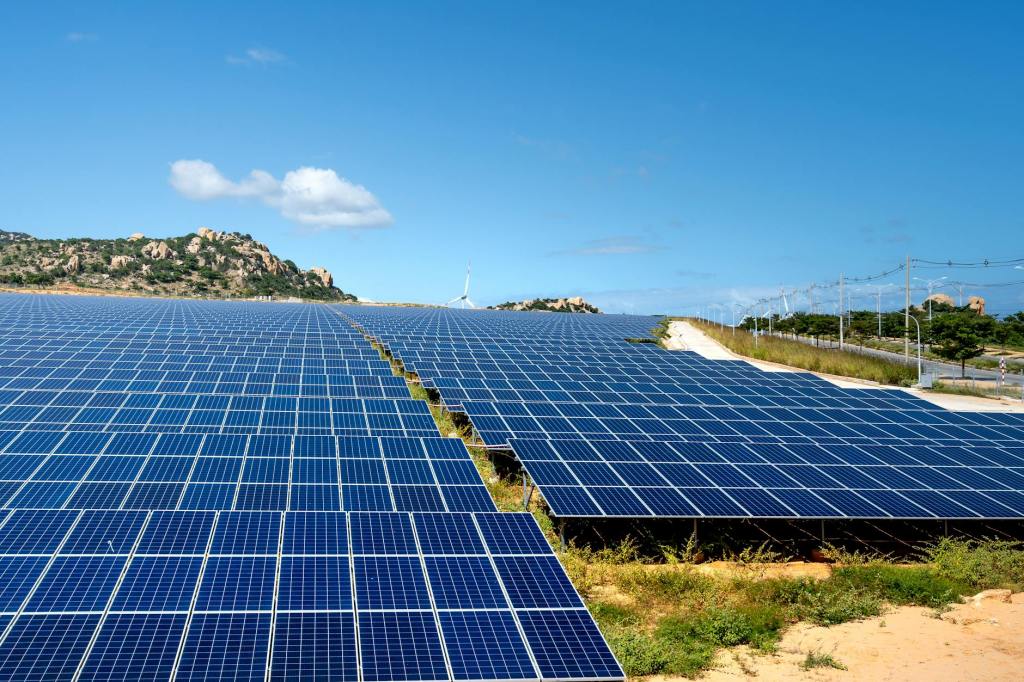
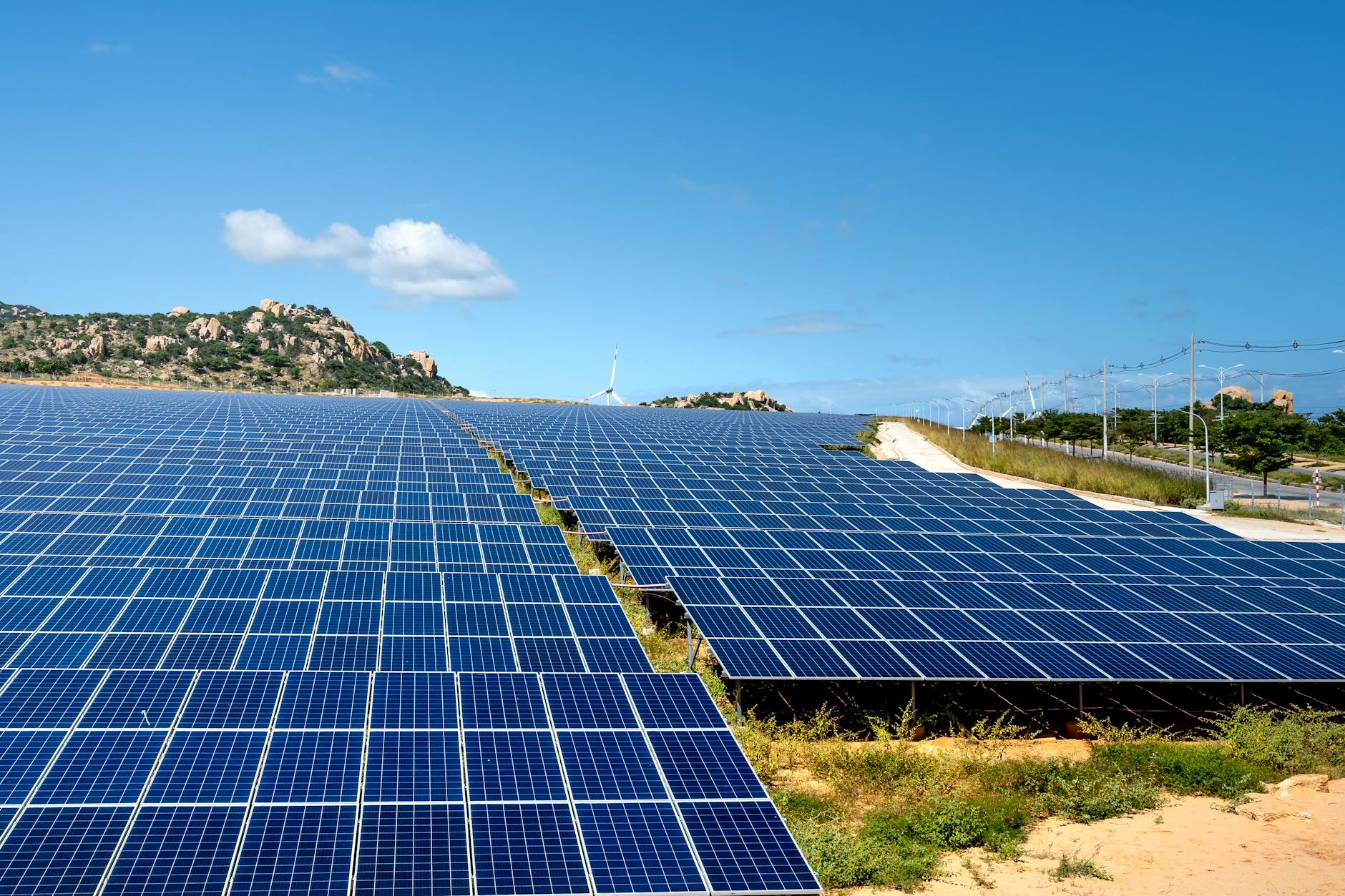
And of course, the sun. Solar may not grab headlines, but it’s spreading quietly. Panels can be installed faster, scaled smaller, and placed closer to communities. For remote areas, solar can even mean electricity without waiting years for large infrastructure.
Add the energy from the waves. Discussions on the possibility of harnessing tidal energy especially between Sorsogon and Northern Samar keeps on surfacing though it might take some time to be realized.
But even with the first three — wind from the sea, heat from volcanoes, and sunlight almost year-round — Bicol suddenly has a rare combination of renewabe energy not many regions can have.
This matters because energy shapes economies. Places with stable and affordable power attract businesses. Ports become busier. Technical jobs emerge. Local governments collect more revenue. Even small enterprises benefit when electricity is reliable.
But here’s the familiar caution. We’ve seen this story before. Big projects come in. GDP goes up. Headlines celebrate. But ordinary people sometimes ask: “May ginhawa kaya?” Add the current performance of the local electric cooperatives and the answer would be complicated.
Renewable energy can either repeat that pattern — or change it. If local workers are trained, if local suppliers are engaged, if LGUs negotiate well, and if communities benefit, energy projects can spread opportunities beyond just construction sites.
That’s the real promise.
Bicol has long been known for typhoons, volcanoes, and migration. But maybe the narrative is shifting. The same geography that brings risks also brings resources. The wind that bends coconut trees. The volcanic heat beneath Mayon and Bulusan. The sun that dries palay after harvest.
These are not just features of the landscape. They may be the foundations of a new economy.
The question now is not whether Bicol has renewable energy potential. It clearly does. The question is whether the region can turn that potential into something people actually feel — not just in megawatts or investment announcements, but in jobs, incomes, and opportunities.
Because if managed well, Bicol’s future might not just be powered by electricity. It might finally be powered by progress.





Leave a comment