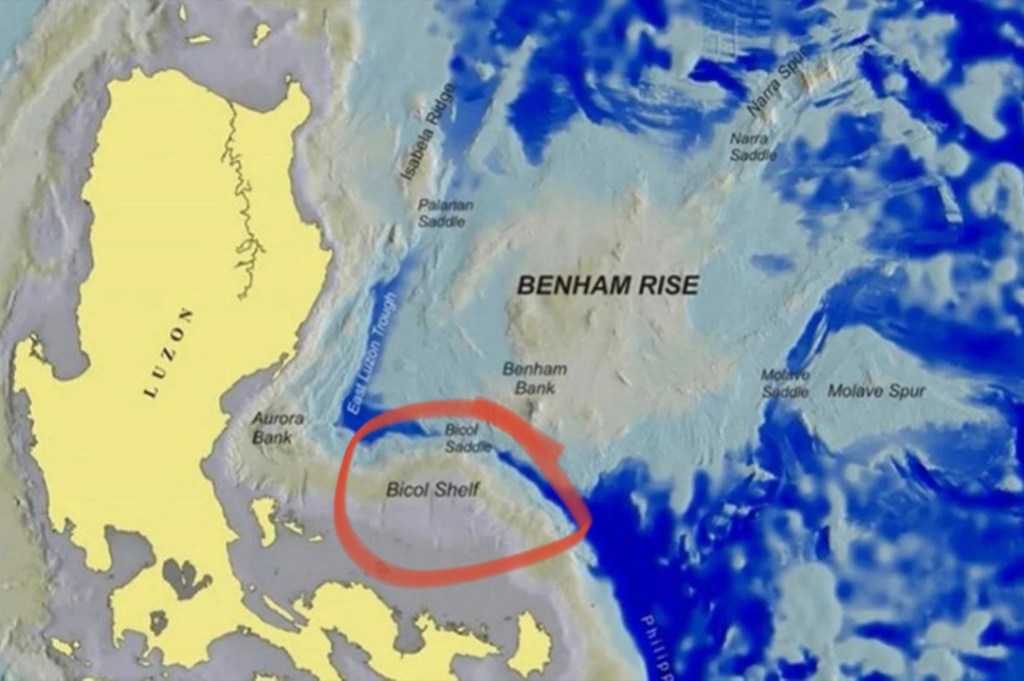
Did you know that beneath Bicol’s offshore waters lies a potential source of oil and gas?
With fuel prices rising and the Philippines still heavily dependent on imported energy, the search for local resources has taken on new urgency. The government’s decision to open petroleum exploration bidding in the Bicol Shelf Basin has therefore sparked interest — and debate. Is this the beginning of a meaningful step toward energy security? Or just another promising offshore story that may never materialize?
Why the Bicol Shelf Is Getting Attention
The Philippines imports roughly 90% of its fuel needs, making the economy vulnerable to global price shocks. Every increase in oil prices ripples through electricity rates, transport costs, and food prices. Against this backdrop, exploring indigenous energy sources becomes both strategic and necessary.
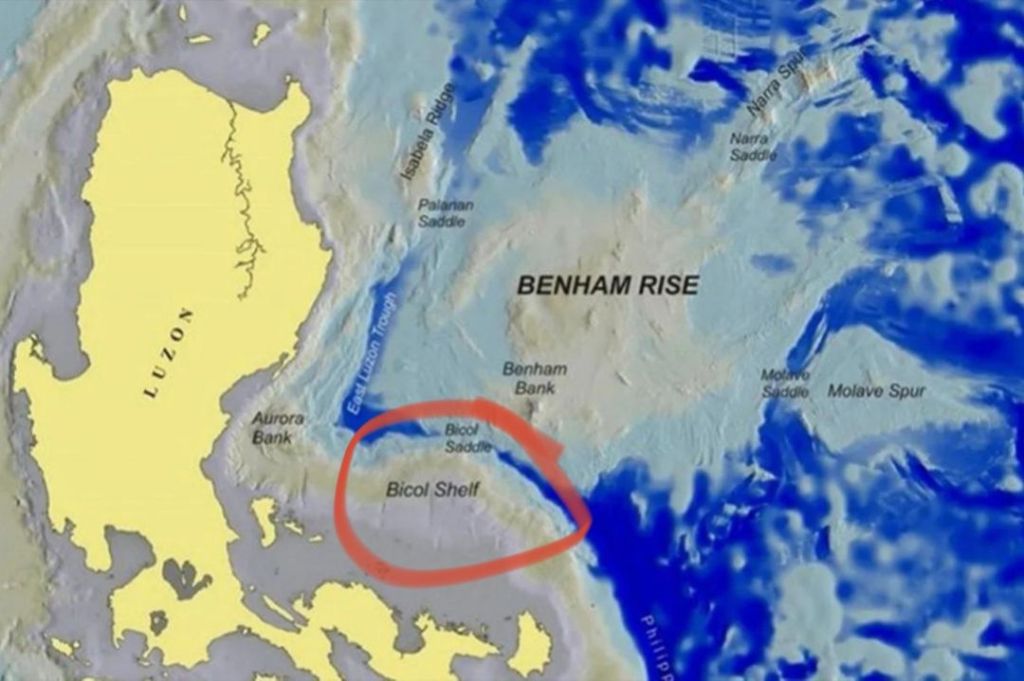
The Bicol Shelf Basin is considered a frontier area — meaning it is geologically promising but largely unexplored. Industry assessments suggest the basin is gas-prone, which aligns with the country’s push toward cleaner transition fuels. Preliminary estimates have mentioned around 44 million barrels of oil equivalent in undiscovered resources, although these remain projections rather than confirmed reserves.
Its location also adds to its appeal. The Bicol Shelf lies in uncontested waters and relatively near the Luzon demand corridor, potentially making future development more feasible compared to remote offshore fields.
What “Opening for Exploration” Really Means
The government opened the area under the Philippine Conventional Energy Contracting Program (PCECP). This allows investors to submit proposals to explore the basin by conducting seismic surveys and eventually drilling exploratory wells.
But exploration is just the first step. It does not guarantee production. The process typically involves:
- Geological and seismic studies
- Exploratory drilling
- Commercial viability assessment
- Field development (if resources are found)
This entire cycle can take five to ten years, and many exploration areas never produce commercially viable resources.
In short, exploration signals interest — not certainty.
Potential Benefits for Bicol
If viable resources are discovered, several potential gains could emerge:
- Increased local economic activity
- Jobs in logistics, support services, and operations
- Possible revenue for national and local governments
- Contribution to national energy supply
Even the exploration phase itself can stimulate demand for ports, vessels, and technical services.
But There Are Risks and Questions
The excitement also comes with concerns. Bicol’s waters support fishing communities, tourism, and marine ecosystems. Offshore exploration raises questions such as:
- How will environmental safeguards be enforced?
- Will fishing grounds be affected?
- How will local communities benefit?
These are critical issues that need clear answers early in the process.
Part of a Larger Energy Strategy
The Bicol Shelf initiative reflects a broader energy strategy. While the Philippines expands renewable energy like solar and wind, natural gas is seen as a transition fuel — cleaner than coal and capable of stabilizing the grid. Developing domestic gas resources could help bridge the gap toward a more renewable-heavy future.
Hope or Hype?
The most realistic answer: both.
First, there is genuine potential. The basin is underexplored. The country needs indigenous energy. The location is strategically advantageous.
But there is also uncertainty. The reserves are not yet confirmed. Development timelines are also long meaning, it will not happen soon. There are also environmental and community considerations.
The Bottomline
The Bicol Shelf is not an immediate solution to the energy crisis — but it is a strategic move worth watching. It represents a calculated gamble: invest in exploration now in the hope of long-term energy security later.
Energy exploration is like fishing in deep waters. You cast the net because there might be something valuable below. But until something is actually caught, it remains a possibility — not a promise.
For Bicolanos, the key is to stay informed, demand transparency, and ensure that if energy is eventually found, the benefits flow not just to the grid — but also to the communities closest to the source.
References
- Department of Energy. Philippine Conventional Energy Contracting Program (PCECP) guidelines and challenge process announcements.
- BusinessWorld. “New offshore Bicol exploration area to be offered to bidders.” (2026)
- Presidential Communications Office. “President Marcos declares State of National Energy Emergency.” (2026)
- Department of Energy. “Eight petroleum service contracts worth $207 million unveiled.” (2025)
- NAMRIA. Hydrographic survey documentation and undersea feature naming proposals in the Philippine Sea.
- International Energy Agency (IEA). Philippines Energy Outlook and import dependence data.
- Asian Development Bank. Energy transition and natural gas as transition fuel in Southeast Asia.





Leave a comment