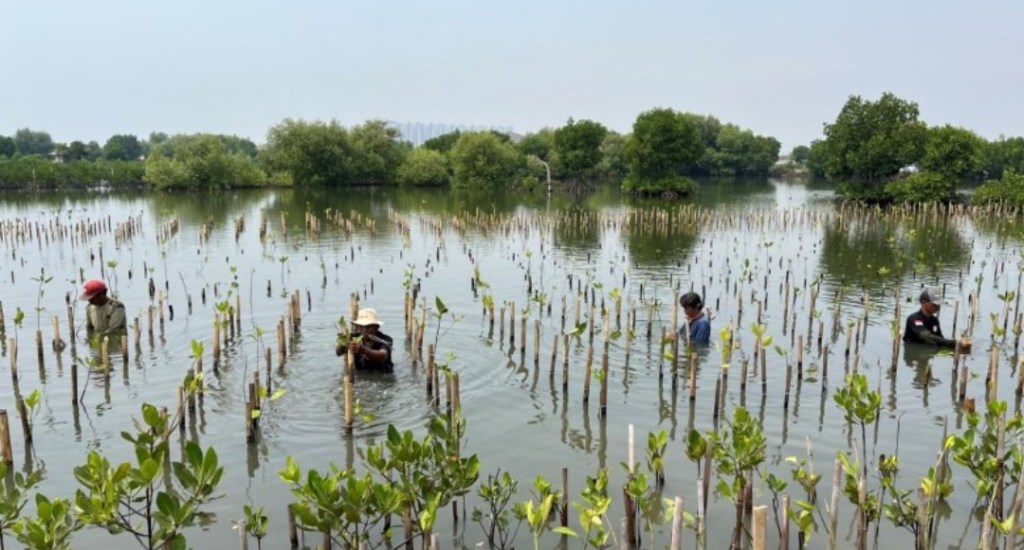
In Catanduanes, a mangrove planting activity that was supposed to help the environment ended up becoming a cautionary tale on how not to do coastal restoration. The controversy traces back to a June 21, 2023 planting activity that, according to environmental advocates, involved the Provincial Government of Catanduanes planting the wrong mangrove species in the wrong zone. What should have been a green success story instead raised an uncomfortable question: are some environmental projects being designed more for optics than for actual ecological results?
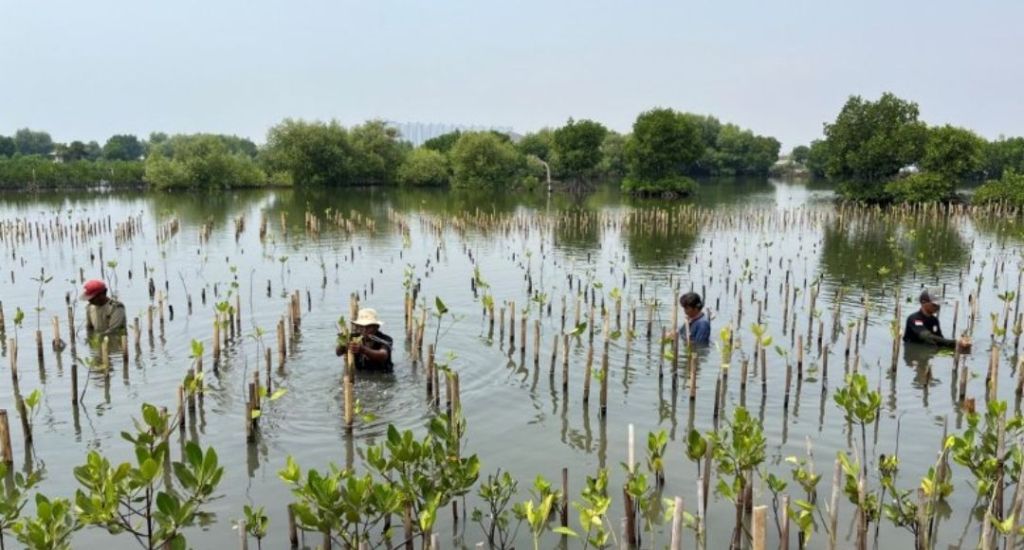
The criticism was specific. Advocates said the species introduced was Rhizophora—commonly known as bakhaw, and in related reporting identified as Rhizophora apiculata—even though the area already had naturally occurring Sonneratia and Avicennia mangroves. In follow-up reporting, the zone in question was described as a seaward area already occupied by Sonneratia and Avicennia, meaning the introduced species did not match the site’s natural zonation. In plain English: the problem was not that people planted mangroves, but that they planted the wrong kind in the wrong place.
That matters because mangroves are not interchangeable green props. Different species thrive in different coastal conditions. Rhizophora generally does better in the midward zone, while Sonneratia alba and Avicennia species are better suited to other zones depending on hydrology and site conditions. Experts interviewed by VERA Files and Philstar explained that proper mangrove zonation is essential if you want high survival rates. Otherwise, what looks like a successful planting event today may become a field of dead seedlings tomorrow.
And that is where the story stops being a niche environmental issue and starts becoming a governance issue. Because once public funds, staff time, transport, mobilization, and community participation are spent on a badly designed intervention, this is no longer just about ecology. It is also about waste. Mangrove advocates have been blunt: planting the wrong species in the wrong zone is a waste of time, effort, and resources. Harsh?
Maybe. But also hard to argue with if the seedlings do not survive.
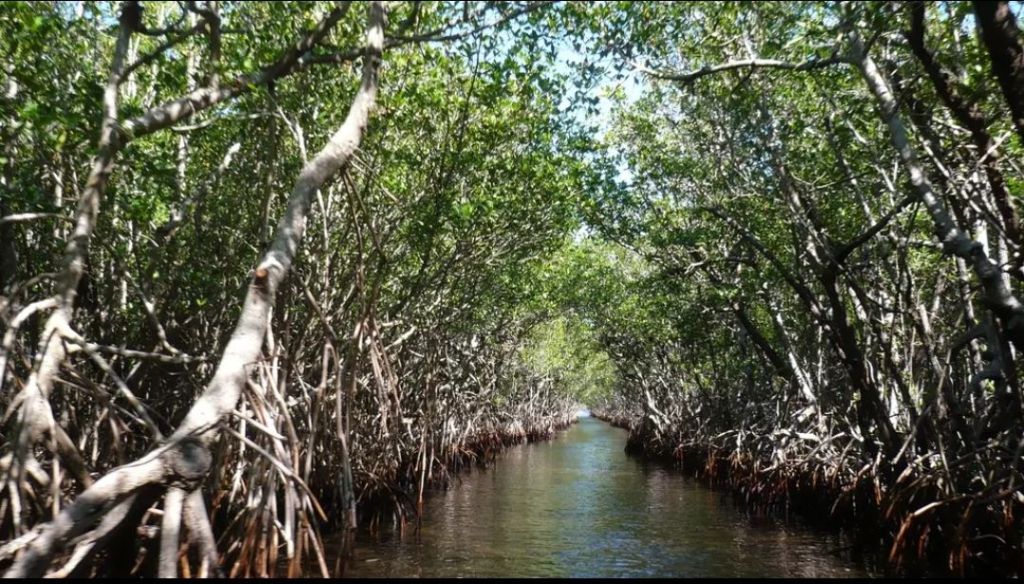
The bigger problem is that this is not just a Catanduanes problem. Across the Philippines, many mangrove planting drives default to Rhizophora because it is easier and more convenient to plant. Matthew Tabilog of Mangrove Matters PH described this as “planting by convenience.” Rhizophora propagules are easier to collect and can often be planted directly, while species like Sonneratia and Avicennia usually require nursery preparation and more careful handling. In short, the easier species often wins—not because it is the right one, but because it is the easier one for organizers.
That is where the article almost writes its own punchline: sometimes our mangrove projects look less like restoration and more like a production shoot. Gather the participants. Hold the seedlings. Smile for the camera. Upload the photos. Mission accomplished? Not quite. Nature, unfortunately, does not grade on effort, attendance, or Facebook engagement. It grades on survival, regeneration, and ecological fit.
The science on why mangroves matter is strong. Mangroves protect coastlines, serve as nursery habitats for fish, store large amounts of carbon, and reduce the damage caused by flooding and storm surges. A World Bank-linked study cited by VERA Files found that without mangroves, flooding and damage in the Philippines would increase by about 25% annually; the country’s current mangrove cover helps prevent flooding for about 613,000 people a year and avoids over US$1 billion in property damage. So this is not some tree-hugger side issue.
Mangroves are real infrastructure—just greener, wetter, and far more alive.
That is why “green optics” can be dangerous. When an activity is designed mainly to be seen rather than to succeed, the project may create the illusion of action while weakening real adaptation. A failed mangrove planting drive does not just waste seedlings. It can also crowd out attention from the harder work: site assessment, species matching, consultation with experts, and listening to fisherfolk and local communities who actually know the coast. As Tabilog noted, communities often hold valuable local and indigenous knowledge about these environments.
There is also a larger ecological risk. Experts warn that planting mangroves in the wrong places—especially near seagrass beds—can damage existing ecosystems. Mangrove roots spread extensively, and seagrasses are themselves important nursery grounds for commercially important fish. So a badly designed “restoration” project can end up harming one habitat while pretending to save another. That is not climate action. That is ecological friendly fire.
The lesson from Catanduanes is simple enough for ordinary people to understand: not all planting is progress. If the wrong species is introduced in the wrong place, then “more seedlings” does not mean “more protection.” It may just mean more waste. In environmental work, the metric that matters is not how many hands joined the photo op, but how many mangroves are still alive years later.
So yes, plant mangroves. But plant them with science, not just with ceremony. Because if the goal is resilience, then the project has to outlive the press release. Catanduanes deserves real restoration, not just well-meaning choreography by the shore.






Leave a comment