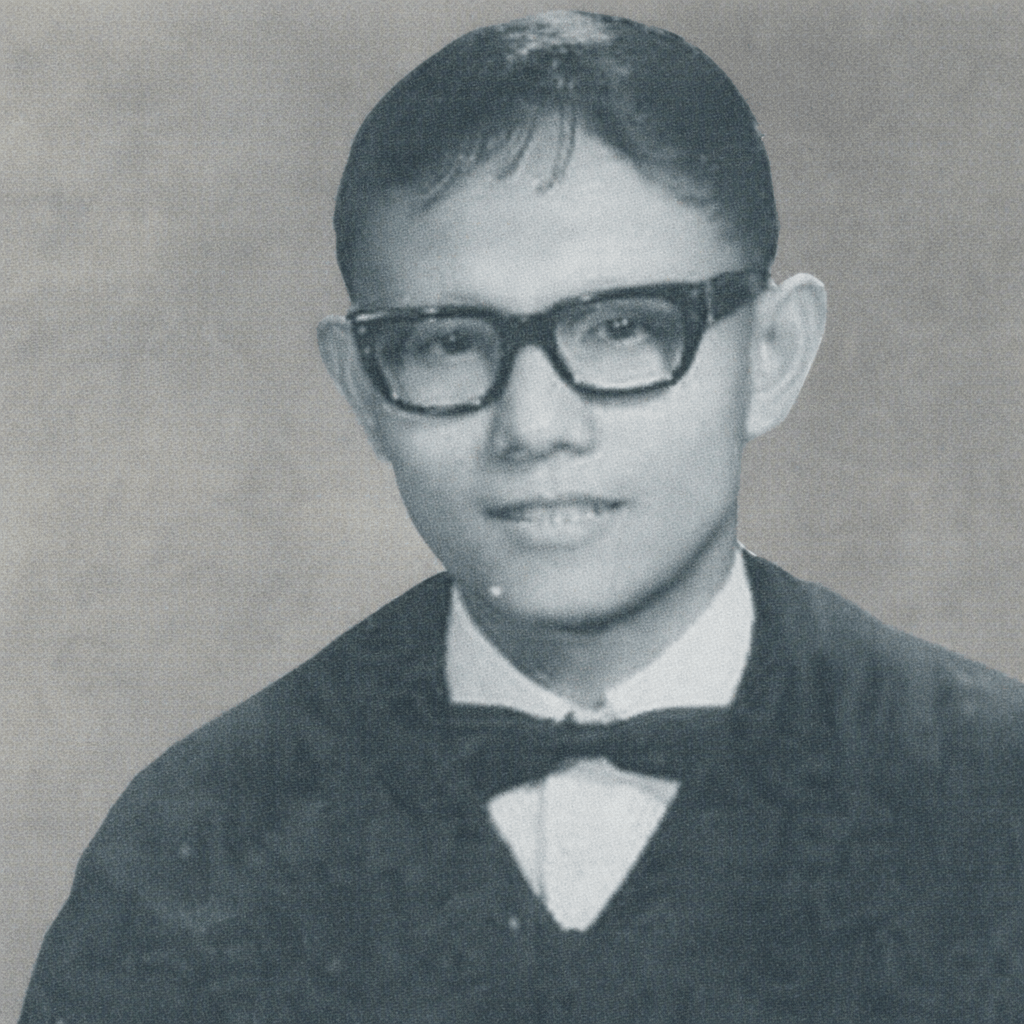
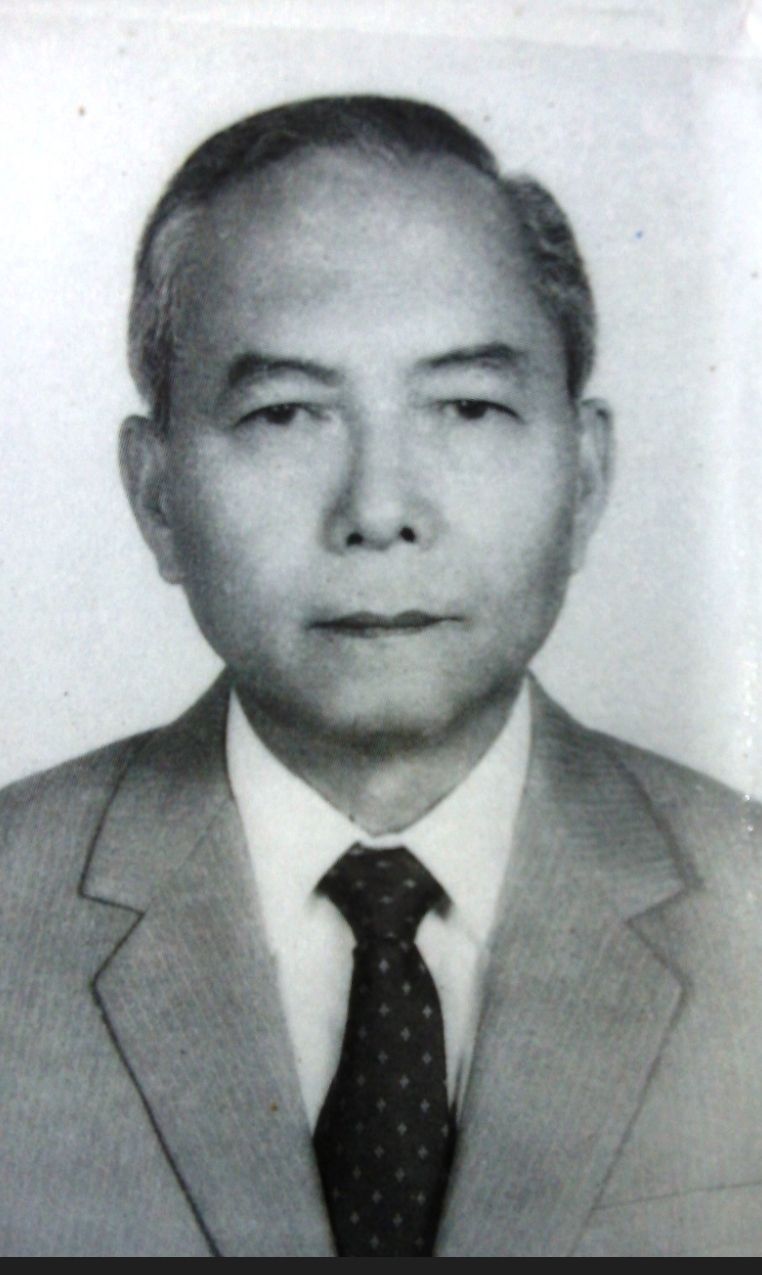
In a country where history is too often told from the vantage point of Manila, power, and the elite, Luis Camara Dery stood out as one of the historians who insisted that the nation’s past could not be understood from the center alone. Born in Gubat, Sorsogon on 8 March 1946, Dery became one of the most important voices in Philippine local history, helping recover stories, places, and people that mainstream historiography had long pushed to the margins.
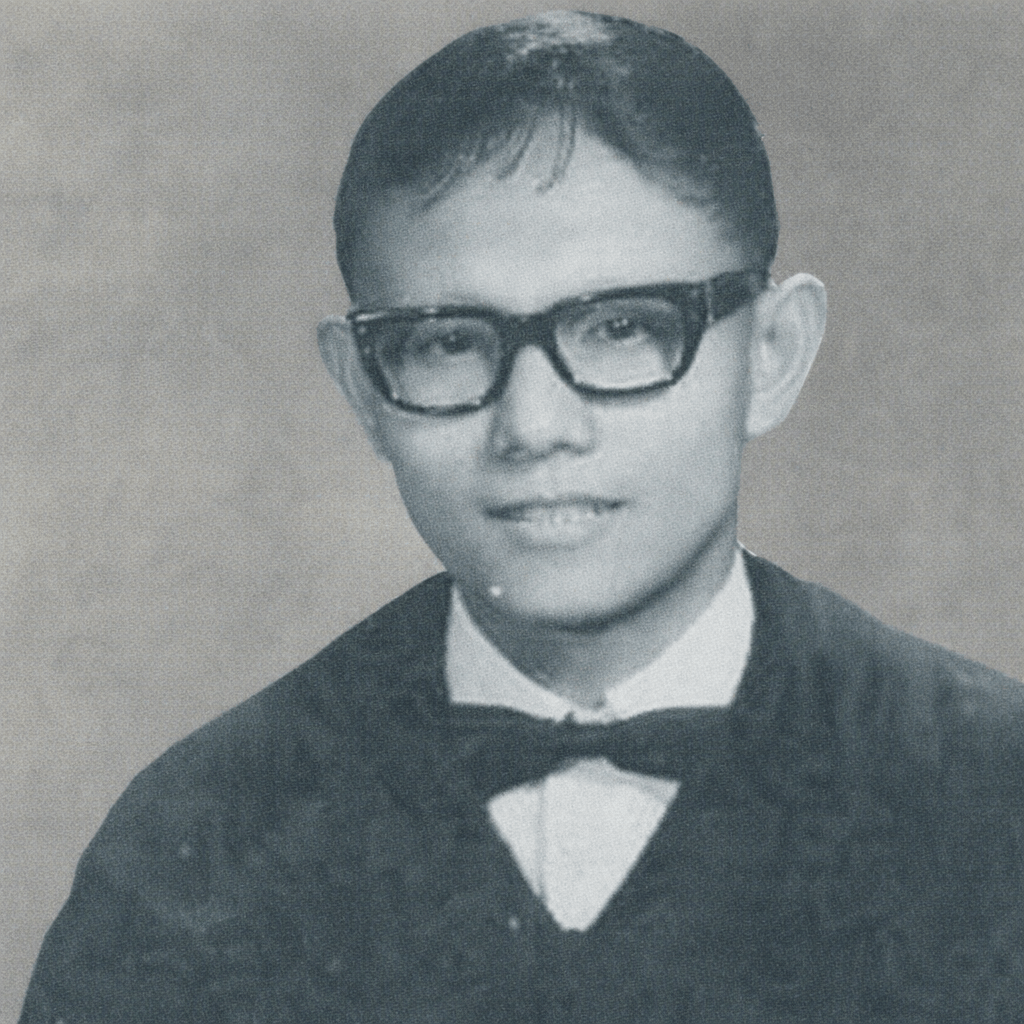
Dery’s life followed a path that began in Bicol but would shape Philippine scholarship far beyond it. After finishing high school in Gubat, he went to the University of the Philippines Diliman, where he pursued history and social studies, eventually completing his doctorate in history in 1987. His obituary in Philippine Studies: Historical and Ethnographic Viewpoints, written by Javier Leonardo V. Rugeria, notes that his dissertation, From Ibalon to Sorsogon: Prehistory to 1905, later became the basis of his landmark book From Ibalon to Sorsogon: A Historical Survey of Sorsogon Province to 1905, published by New Day Publishers in 1991.
That book remains one of Dery’s most enduring contributions. For Sorsogon—and for Bikol historiography more broadly—it was more than a provincial history. It was proof that local history could be rigorous, archival, ambitious, and nationally significant. At a time when many historical accounts still privileged national heroes, colonial administrators, and Manila institutions, Dery showed that the story of the Philippines was also the story of provinces, towns, and ordinary communities. This was, in many ways, the core of his intellectual mission: to remind readers that Philippine history is made up of many distinct histories, not just one dominant narrative.
This is why Dery may rightly be called a historian of the inarticulate. He paid close attention to people who often appeared only faintly—or not at all—in conventional histories: women, Muslims, local elites outside the national center, and communities remembered not only through colonial records but through oral traditions, songs, and folklore. His work argued that these “alternative” sources were not historical ornaments but historical evidence. In the case of Bikol, Dery pushed historians to take oral tradition seriously, insisting that to dismiss it was also to dismiss the memory and worldview of ordinary people.
His scholarship was both broad and prolific. According to Rugeria’s obituary, Dery produced at least twelve sole-authored books and published in respected journals such as Philippine Studies, Philippine Social Sciences Review, Malay, The Journal of History, and Historical Bulletin. Among his notable books are The Army of the First Philippine Republic and Other Historical Essays, The Kris in Philippine History, When the World Loved the Filipinos and Other Essays on Philippine History, and Pestilence in the Philippines. These works ranged across political, social, military, and cultural history, covering periods from precolonial society to the Japanese occupation.
Dery was also part of a wider movement that helped build the seriousness of regional and local history in the Philippines. His work on Sorsogon emerged alongside the flourishing of Bikol historiography in the late twentieth century, when scholars increasingly treated the region not as a side note to national history but as a field of historical inquiry in its own right. In that sense, Dery did not merely write local history—he helped legitimize it.
Before he was widely celebrated as a historian, Dery was already an educator. He taught at UP Baguio, later moved to De La Salle University in 1994, and after retiring from DLSU in 2016, he taught at the University of Santo Tomas. Reports following his death noted that he spent about 20 years at DLSU and later continued teaching historiography and related courses at UST. His long teaching career meant that his influence was not limited to his books; it also lived on in generations of students who encountered Philippine history through his lens.
His stature in the profession was also recognized institutionally. Dery served as president of the Philippine Historical Association from 2013 to 2014, a sign of the esteem he commanded among fellow historians.
When Dery died on 31 July 2023 at age 77 in Diliman, Quezon City, the loss was felt not only in academic circles but also among those who care about regional memory and the writing of history from below. His passing closed the life of a scholar, but not the life of his work. Today, every local historian who insists that a town, a province, a folk memory, or an overlooked community deserves serious historical attention is walking, in some measure, the trail Dery helped clear.
For Bicolanos, Luis Dery’s legacy is especially profound. He did not simply write about Sorsogon as a native son writing out of affection. He wrote with discipline, with archival depth, and with a historian’s conviction that places outside the capital matter. He proved that local history is not “small history.” Done well, it becomes a way of correcting the nation’s memory.
And that may be Dery’s most lasting gift: he taught us that the Philippines cannot be fully understood unless we listen not only to the loudest voices, but also to those long treated as inarticulate.
—
References:
1. Javier Leonardo V. Rugeria, “Luis Camara Dery, 1946–2023,” Philippine Studies: Historical and Ethnographic Viewpoints, Vol. 72, No. 2 (2024).
2. UP Alumni Website, “Dr. Luis Camara Dery (1946–2023).”
3. The Flame (UST), “Distinguished historian and former Artlets lecturer Luis Dery passes away,” published August 3, 2023.
4. Google Books bibliographic entry for From Ibalon to Sorsogon: A Historical Survey of Sorsogon Province to 1905 (New Day Publishers, 1991).
5. UP Tuklas catalog entry for From Ibalon to Sorsogon.
6. De La Salle University Animo Repository entry for A History of the Inarticulate: Local History, Prostitution, and Other Views from the Bottom.
7. The LaSallian, “The rolling stone that is Luis Dery,” for his move to DLSU in 1994 and his teaching career there.
8. Historical Bulletin / Philippine Historical Association reference confirming his PHA presidency.



Leave a comment