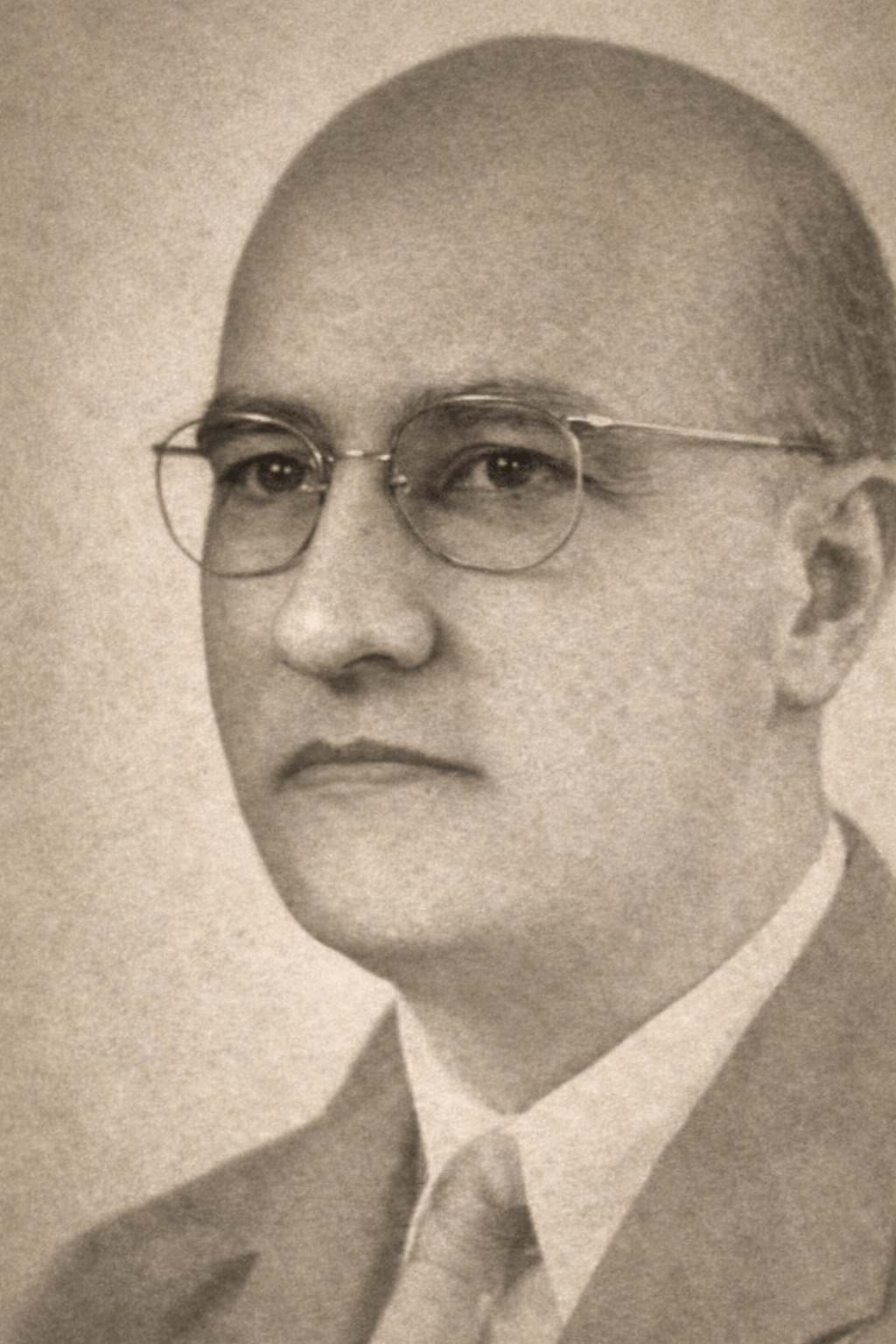
Every February 12 is more than a birthday marker in the calendar of Bicolano history. It is a reminder of a generation of leaders who carried provinces scarred by war into the uncertain promise of nation-building. Among them stands Mariano Garchitorena y Chereau—governor, Cabinet secretary, diplomat, and advocate of the region’s most iconic crop: abacá.
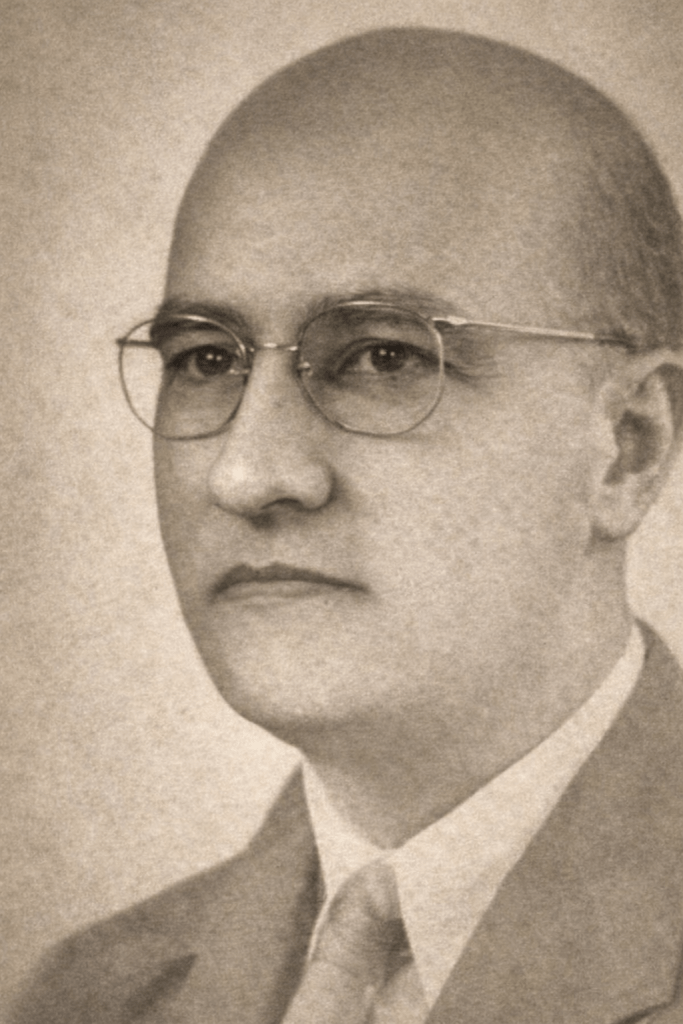
A leader in a fragile moment
When Garchitorena served as Governor of Camarines Sur in 1945, the Philippines was emerging from the devastation of World War II. Infrastructure was broken, institutions were weak, and communities were rebuilding from loss. Provincial leadership at that time was not ceremonial—it was survival work. Restoring order, reviving livelihoods, and reconnecting local governance to the reborn republic formed the quiet but urgent tasks of post-war governors like him.
His move to the national stage soon followed. As Secretary of Agriculture and Commerce in the early post-independence government, Garchitorena became part of the country’s broader effort to stabilize food supply, revive rural economies, and re-establish confidence in Philippine production. Agriculture was not just policy; it was recovery itself.
Abacá as economy, identity, and future
For Bicol, recovery has always been tied to the land—and especially to abacá, the fiber that carried the region into global markets long before modern industry arrived. Garchitorena’s leadership in the Abacá Fiber Institute reflected a belief that rebuilding the Philippines required strengthening what regions already did best.
In this sense, his work linked three levels of development:
- Local – supporting farmers and rural livelihoods in Bicol
- National – positioning agriculture as a pillar of reconstruction
- Global – sustaining export industries that connected the Philippines to the world
Abacá was not merely an agricultural product. It was Bicol’s resilience woven into fiber.
Service beyond borders
Garchitorena’s later role in diplomatic service to Spain symbolized another pattern common among early republic leaders: movement between province, Cabinet, and international representation. Their careers traced the arc of a young nation learning to govern itself at home while presenting itself abroad.
A legacy carried forward
Today, the Garchitorena name lives on in Camarines Sur’s geography, in public memory, and even in Philippine popular culture through descendants active in entertainment and civic life. Yet the deeper legacy is less visible. It lies in the idea that regional strength can shape national recovery—that provinces like those in Bicol are not peripheral to history but central to it.
Remembering the post-war generation
To look back on Mariano Garchitorena is to revisit a time when leadership meant rebuilding from ruin and imagining stability where none yet existed. His journey—from CamSur to the Cabinet, from abacá fields to diplomatic halls—mirrors the story of Bicol itself: resilient, outward-looking, and quietly foundational to the Philippine nation.
In remembering him, Bicol remembers a chapter when service was measured not by visibility, but by how firmly a future could be restored from the ashes of war.



Leave a comment