In Daraga, Albay, the problem with the Kilicao–Binitayan Bridge is not that it failed to start. It is that it almost finished.
At 85 percent complete, the bridge now joins a familiar category of public infrastructure projects—paid for, partially built, and painfully bitin. For commuters, farmers, and motorists who were promised a fully functional crossing, that missing 15 percent is not a technical detail. It is the part that actually makes the bridge usable.
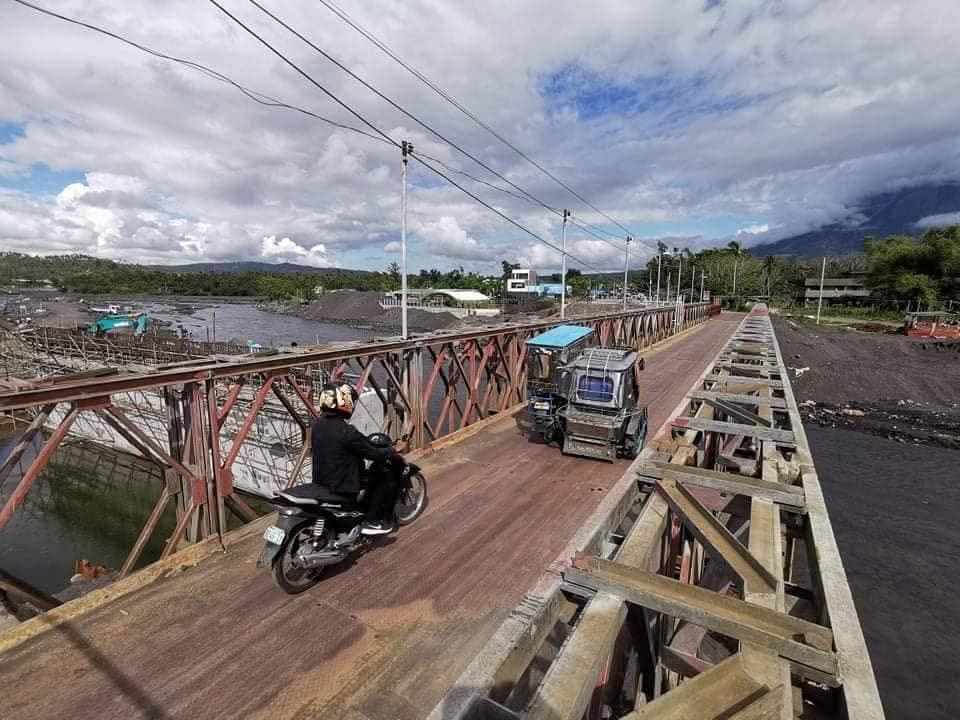
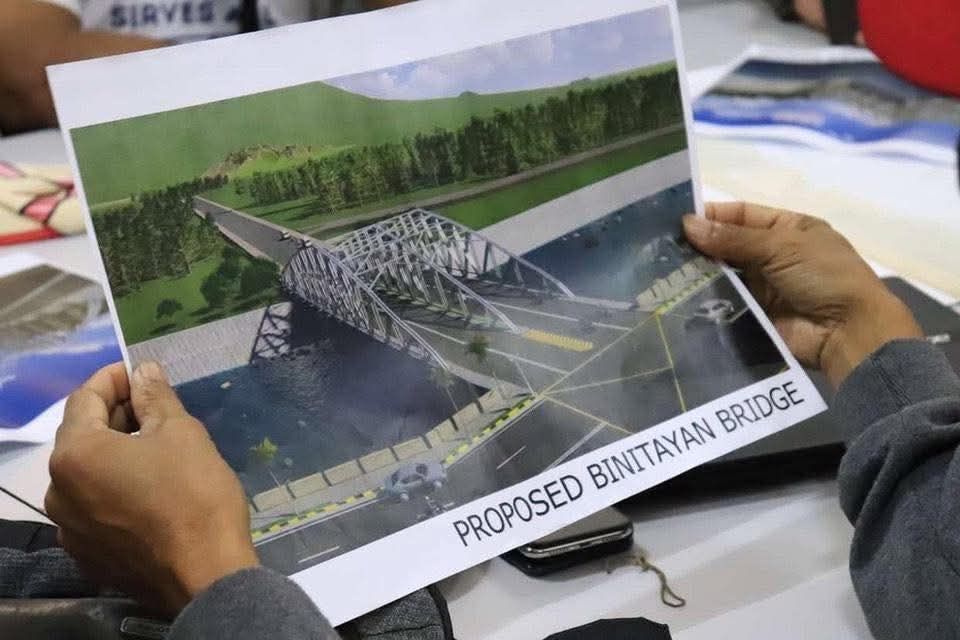
The Department of Public Works and Highways (DPWH) confirmed that it has terminated the contract of the project’s contractor effective January 30, 2026, after the latter failed to complete the bridge within the approved extended deadline. The project was originally scheduled for completion in November 2025, and was later granted an extension until January 2026. Despite this, DPWH said there was still no significant progress on the ground.
According to the agency, the project incurred a negative slippage of about 15 percent, a figure that neatly mirrors the portion of the bridge that remains unfinished. More critically, DPWH cited the contractor’s failure to comply with required structural works, particularly the proper erection and alignment of bridge components—elements that directly affect safety and long-term durability.
DPWH also noted the abrupt pullout of equipment and manpower from the project site, a move that effectively froze construction and signaled that completion was no longer forthcoming under the existing contract.
As of termination, the Kilicao–Binitayan Bridge stood at 85 percent physical accomplishment, equivalent to the amount of funds already released and paid to the contractor. In other words, government payments tracked construction progress closely—up to the point where the project stalled.
This is where the story becomes less about percentages and more about governance.
On paper, 15 percent negative slippage sounds manageable. In real life, that 15 percent represents the final structural works, safety alignments, and finishing touches that determine whether a bridge can actually carry people, goods, and emergency services. An almost-finished bridge still forces motorists to take longer routes, farmers to spend more on transport, and nearby communities to continue living with the inconvenience the project was meant to solve.
DPWH said the remaining 15 percent of the project cost remains funded and will be subjected to rebidding to ensure completion. This provides a clear path forward, but it also reopens familiar concerns: how fast the rebidding will move, how quickly a new contractor can mobilize, and whether the last stretch will finally be delivered without another round of delays.
And here’s the part many people at the foot of Mayon quietly notice: some provincial officials do nothing but complain—perfect for soundbites, perfect for social media mileage. But complaining is cheap. Power is not.
They have political power, and more specifically legislative power, that can be wielded beyond press statements: calling for formal inquiries, demanding a clear accounting of what went wrong, and pushing for contractor and DPWH accountability so “termination” doesn’t become the end of the story. Because every extra week of delay is not just an engineering problem—it is a people-cost problem.
The longer a bridge project drags, the more expensive life gets for ordinary residents: longer routes mean higher fuel and transport fares; delayed deliveries mean higher prices; disrupted access means lost time, missed opportunities, and slower local trade. The price of delay is paid daily—by commuters, by farmers moving produce, by small businesses, by families trying to get from point A to point B without turning a short trip into a long detour.
The termination sends a signal that extensions have limits and failure to deliver has consequences. But for Daraga, the real measure of accountability will not be in paperwork or interviews. It will be in how quickly the bridge moves from almost there to finally usable—and whether the public officials who love to comment will finally do the less glamorous work of making sure contractors are held to account.
The Kilicao–Binitayan Bridge does not need another explanation. It needs its last 15 percent—completed, aligned, and opened. Until then, it remains what many locals have quietly come to call it: not the Binitayan Bridge, but the “Binitin” Bridge—finished enough to be paid for, but not enough to serve the people it was built for.





Leave a comment