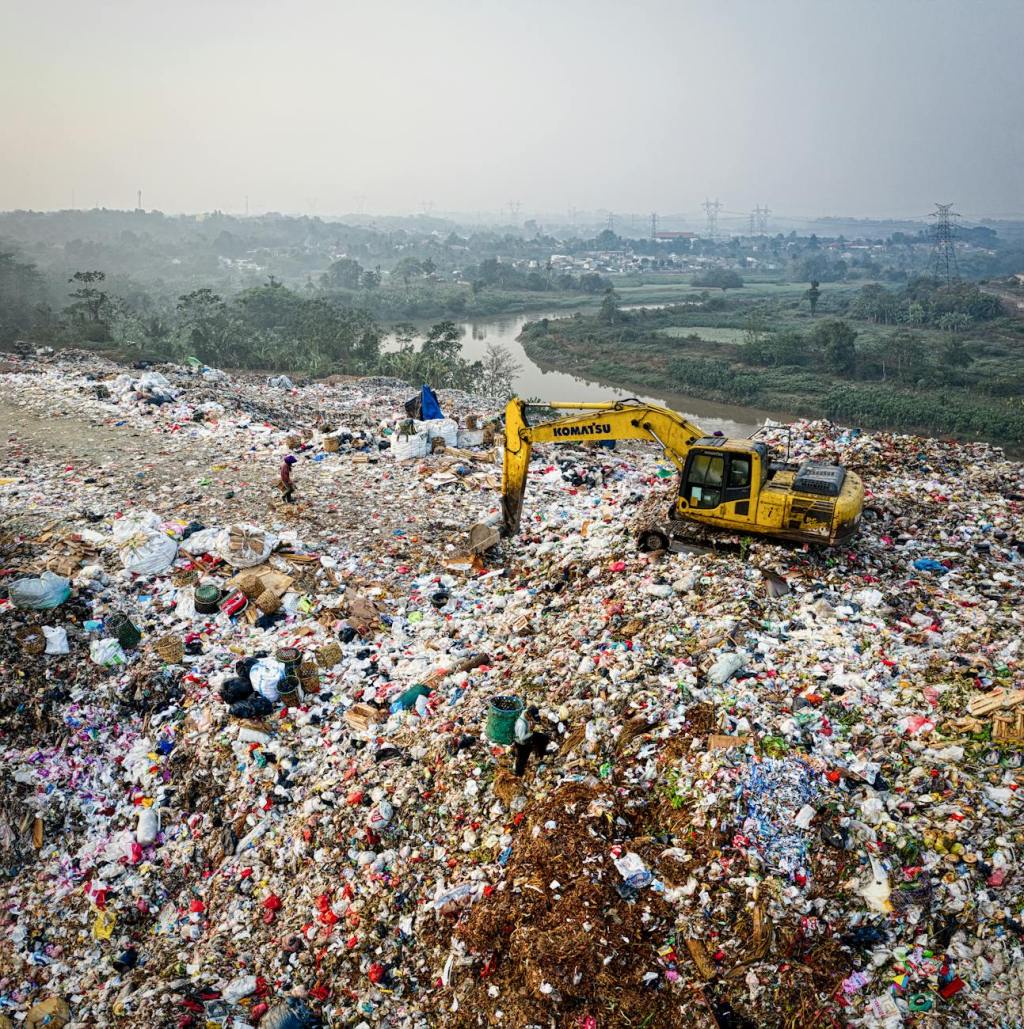
One of those that attracts our attention is Naga City’s Basura Summit 2026. The Summit is being positioned as a reset moment—a pause to admit what hasn’t worked, and a chance to realign the entire solid waste system, from households to barangays to the city government. This is interesting because solid waste is a very good indicator of governance — the more trash actually disappears through a working system (not just swept under the rug), the stronger the leadership, And to Naga’s credit, it’s one of the few city governments that talks about the issue openly—and treats basura as everyone’s responsibility, not just the local officials’ or the ENROs problem.
For years, Naga has had ordinances, awareness campaigns, and infrastructure like MRFs. What it has struggled with is the hardest part of waste governance: consistent compliance, sustained enforcement, and everyday behavior change. Segregation rules exist, but not everywhere. Collection schedules differ by barangay. MRFs exist, but some operate below capacity. Enforcement happens, but unevenly.
The summit matters because it signals a shift in tone—from “let’s remind people” to “let’s fix the system.” It brings all actors into one room and puts waste management back where it belongs: not as a side issue, but as a core governance test tied to public health, flooding, and urban livability.
But here’s the uncomfortable truth: a reset only matters if it moves forward.
The real measure of the Basura Summit is not attendance, speeches, or photo ops—but what changes on the ground in the weeks that follow.
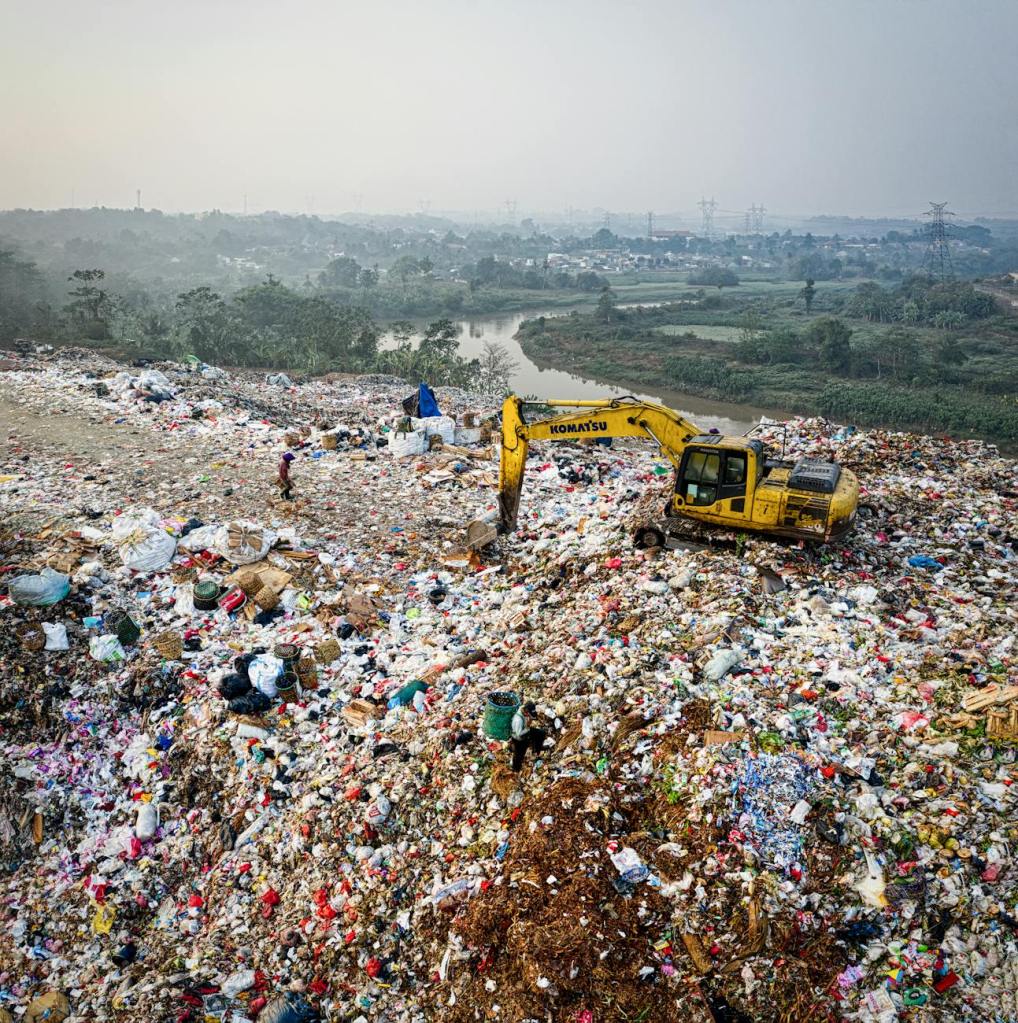
That’s where the Basura Scorecard comes in.
The Basura Scorecard: 10 Checklists to See If the Reset Is Real
1) Clear post-summit rules
Were new or clarified waste rules issued to all barangays within 30 days—or did everything revert to “business as usual”?
2) Enforced segregation at source
Is “no segregation, no collection” actually being implemented, with warnings and penalties—not just reminders?
3) Standardized waste categories
Are households and businesses following the same segregation categories citywide, or does each barangay still improvise?
4) Barangay accountability made public
Did the city release a list or dashboard showing barangay compliance levels—who’s doing well and who isn’t?
5) Fully operational MRFs
How many MRFs are regularly staffed, open on set days, and actually diverting waste—not just existing on paper?
6) Real pathway for biodegradables
Are biodegradables being composted properly, or quietly ending up mixed with residual waste?
7) Integration of informal waste workers
Are waste workers recognized, protected, and given clear roles—with IDs, PPE, and safety protocols?
8) Budget unlocked, not just promised
Was funding allocated for operations, enforcement, and MRF support as a direct follow-through to the summit?
9) Enforcement data disclosed
Will the city publish monthly data on violations, fines, and repeat offenders—or keep enforcement invisible?
10) One measurable target
Did the city commit to a clear, time-bound goal (e.g., % reduction in residual waste by March 2026)?
No target means no way to judge progress.
The bottom line
The Basura Summit can be remembered as either:
- a turning point, where rules finally matched reality, or
- another well-meaning meeting that confirmed everyone already agrees—but no one changed.
The next 30 to 60 days will decide which one it is.




Leave a comment