Another year has been added to Bicol’s history with 2024 as very interesting and colorful politically and economy-wise. Pero aram ta baya kasuarin nagpoon an rehiyon o kaya kasuarin nagkaigwang mga tawo sa inaapid ta ngonyan na Bikolandia?
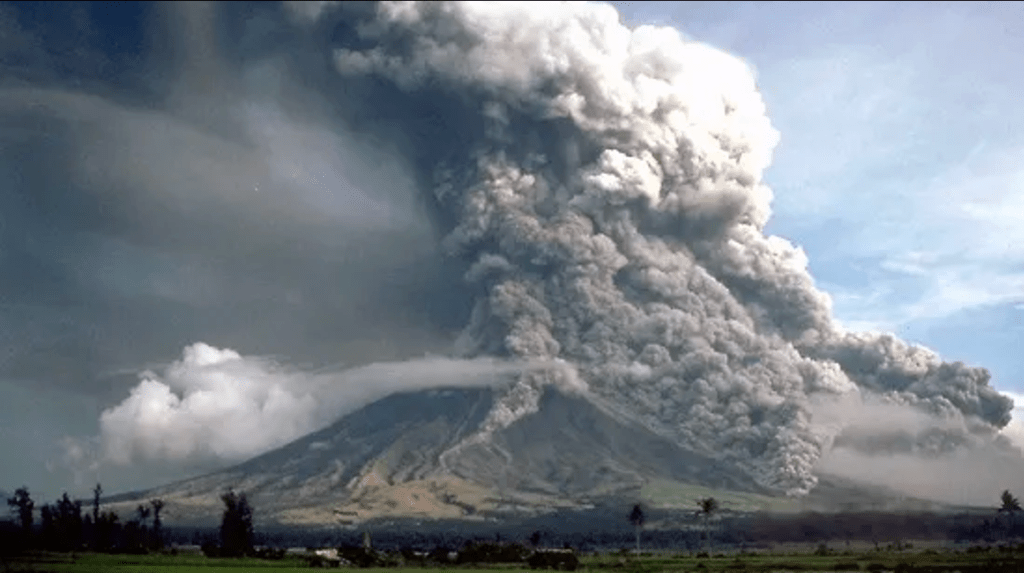
Bicol, renowned for its majestic Mayon Volcano and vibrant culture, harbors a lesser-known treasure: a wealth of archaeological and paleontological finds that unveil its ancient past. From burial sites to fossils of prehistoric creatures, these discoveries narrate the story of a region rich in history and biodiversity, stretching back millions of years.
Bones: Discoveries from Ancient Burials
1. Catanduanes Jar Burial Sites.
Archaeologists unearthed jar burial sites in Catanduanes during the 1980s, revealing pre-Hispanic burial practices. These jars, believed to date back approximately 1,000 to 1,500 years, were accompanied by pottery and beads, hinting at a thriving ancient community.
2. Sorsogon Burial Sites.
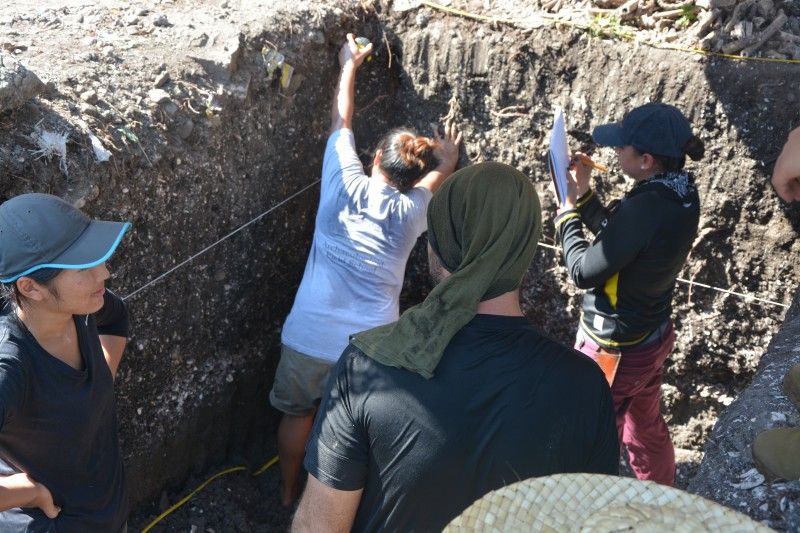
In 2015, burial sites in Bulan, Sorsogon, were excavated, yielding stone and bone tools dated to about 2,000 to 3,000 years old. These artifacts provide a glimpse into the lives of early Bicolanos who skillfully utilized natural resources.
3. Camaligan Archaeological Site.
Excavations in Camaligan, Camarines Sur, during 2016 and 2017 uncovered a treasure trove of artifacts, including human remains, stone tools, and shell middens. These discoveries, estimated to date back 1,000 years, reveal a well-organized community engaged in fishing and trade.
Stones: Petroglyphs and Tools
1. Ticao Island Petroglyphs.
On Ticao Island, Masbate, petroglyphs were discovered in 2011, etched into limestone surfaces. These carvings, believed to date back to the Neolithic period (around 4,000 to 6,000 years ago), stand as one of the oldest forms of symbolic communication in the Philippines.
2. Stone Tools from Camaligan.
Alongside other artifacts in Camaligan, researchers uncovered stone tools indicating the technological capabilities of the region’s ancient inhabitants. These tools, estimated to be over 1,000 years old, showcase the resourcefulness of early settlers.
History: Fossils of Prehistoric Life
1. Marine Fossils in Masbate.
The geological formations of Masbate have long been known for marine fossils. In the 1990s, researchers documented fossilized remains of whales, mollusks, and prehistoric sharks. Most notable are the Megalodon teeth, dating back approximately 2 to 5 million years.
2. Ammonite Fossils in Catanduanes.
In 2010, ammonite fossils were discovered in Catanduanes, estimated to be 100 million years old. These extinct marine mollusks offer a glimpse into the ancient underwater ecosystems that once dominated the region.
Beyond Volcanoes: A Rich Heritage
While Bicol is celebrated for its breathtaking natural landscapes, its archaeological and paleontological finds reveal a deeper narrative. From the bones of ancient burials to fossils of prehistoric life, these discoveries highlight the region’s importance in understanding human history and Earth’s prehistoric biodiversity. Preserving these treasures ensures that future generations can continue to uncover the secrets buried beneath Bicol’s soil.
—
References
1. Stone-Age Artifacts Found in Bicol
2. Camaligan Archaeological Project
3. 100-Million-Year-Old Fossil Found in Bicol




Leave a comment