Imagine: Paduman ka sa Manila tapos bigla kang pinukaw sa boundary kan CamNorte asin Quezon inaagad ang passport mo sa Philippine immigration. Malaog ka na sa Pilipinas, paluwas ka na sa Uragon Republic. Ano kaya mamamatean mo?
In recent discourse, the notion of Philippine regions pursuing independence has gained attention, particularly with figures like Rodrigo Duterte and Bebot Alvarez voicing ideas around Mindanao’s secession. This speculative wave has stirred conversations around the feasibility and implications of establishing an independent country of Mindanao. Will the Bicolanos follow suit and move for an “Uragon Republic” should Mindanao become successful? Such contemplations bring forth a complex blend of economic, social, political, and cultural considerations that merit a comprehensive exploration inviting a deep dive into the potential benefits, challenges, and implications of such a monumental shift.
The Lure of Autonomy
The idea of autonomy is not new to the Philippine political landscape. Various regions have expressed desires for greater self-governance, driven by unique cultural identities and a quest for more direct control over local resources and policies. The Bicol Region, with its distinct heritage and strong sense of identity, presents an intriguing case for potential independence.
Potential Benefits of Independence
Governance and Self-Determination: As an independent nation, the Uragon Republic would have the sovereignty to tailor its laws and policies to the specific needs and aspirations of its people, potentially leading to more effective and responsive governance.
Cultural Preservation: Independence would offer a unique opportunity to preserve and promote Bicolano culture, language, and traditions on a global stage, reinforcing a sense of identity and pride among its citizens.
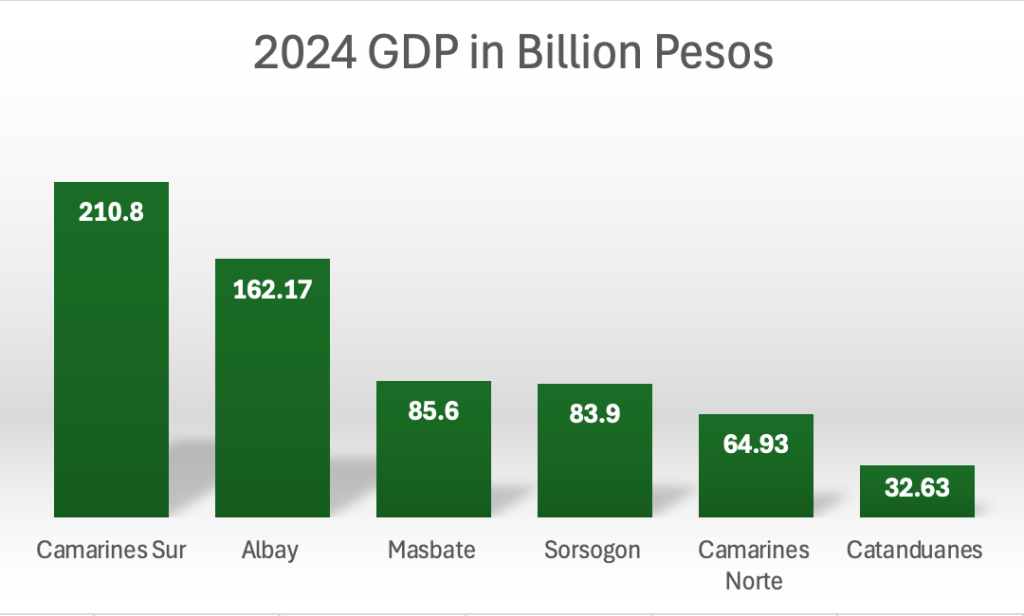
Economic Management: Direct control over local resources and economic policy could enable the Uragon Republic to craft strategies that capitalize on its strengths, such as agriculture, tourism, and renewable energy, fostering sustainable development.
The Challenges of Independence
The establishment of the Uragon Republic would not be without its challenges. Economic instability, social and political issues, security concerns, and difficulties in international relations stand as significant hurdles.
Economic Challenges: Transitioning to an independent economy could lead to disruptions in trade, loss of subsidies and investments from the Philippine government, and the daunting task of establishing a new financial system.
Social and Political Issues: The move towards independence could exacerbate divisions within the Bicol Region, leading to identity and unity challenges, potential displacement and migration, and political instability during the establishment of a new government system.
Security Concerns: With independence, the region would face the responsibility of establishing its own defense and security mechanisms, potentially diverting resources from other critical areas and increasing vulnerability to external threats.
International Relations and Recognition: Achieving international recognition as a sovereign state is fraught with challenges, which could impact the new nation’s ability to participate in international organizations and establish diplomatic relations.
A Complex Endeavor
The creation of an independent Uragon Republic represents a multifaceted endeavor, encompassing legal, economic, and social dimensions. While the theoretical benefits of autonomy and self-determination are compelling, the practical challenges of establishing a new nation are significant. Economic sustainability, social cohesion, security, and the complexities of international recognition are just a few of the hurdles that would need to be overcome.
Moreover, the question of independence raises broader issues about the nature of statehood, sovereignty, and the right to self-determination in the 21st century. As the world becomes increasingly interconnected, the implications of new nations emerging from established states are profound, affecting not just the regions involved but the international community at large.
Conclusion
While the idea of the Bicol Region becoming the Uragon Republic is hypothetical, it serves as a valuable thought experiment to explore the complexities of regional autonomy and independence. It underscores the importance of understanding the economic, social, and political implications of such a move. Whether or not independence is a feasible or desirable goal for any region, the discussion highlights the need for careful consideration and comprehensive planning in addressing the unique needs and aspirations of communities within the framework of national unity and global cooperation.




Leave a comment