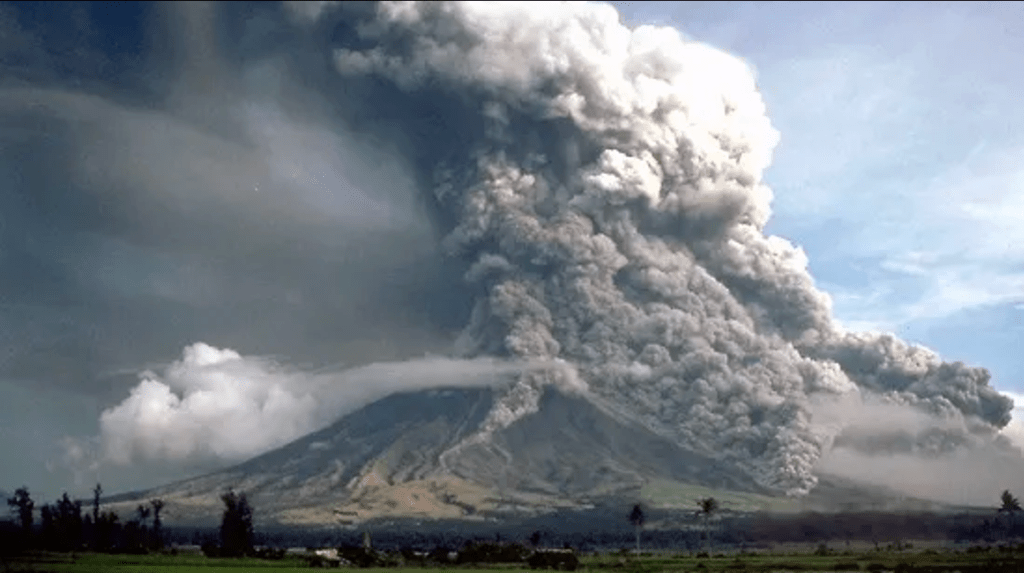
Mayon Volcano spewed ash today, February 4, at around 4:40 this afternoon. But do you know that one in every ten eruptions of Mayon Volcano occurs in February? The most destructive eruption took place in 1814, burying Cagsawa and claiming the lives of approximately 1,200 individuals. This intriguing pattern has captured the attention of scientists and historians, prompting them to explore the underlying causes and implications of such a temporal distribution of volcanic activity.
Well, history often has a way of repeating itself, a notion deeply ingrained in the collective consciousness of Albay. Situated in a region prone to natural disasters, Albay has managed to reduce damages and casualties significantly when compared to other provinces. This resilience is far from coincidental; it is a direct consequence of proactive measures informed by historical incidents. The strategic disaster preparedness and management efforts in Albay act as a formidable defense against the natural challenges that come with its geographic location. Exception was in 2020 when a greedy businessman’s quarrying activities caused a flashflood and claimed the death of at least five individuals in Guinobatan, Albay.

The aftermath of volcanic eruptions, along with other natural disasters, starkly highlights the critical need for effective disaster management systems. The devastating Mayon Volcano eruption in 1814 exemplifies the vital role such systems play in reducing the risks associated with natural disasters and underscores the essential need for ongoing enhancements in disaster risk reduction and management methodologies.
The establishment of the Albay Public Safety and Emergency Management Office (APSEMO) embodies the valuable lessons drawn from historical disasters and the dedication to ensuring that communities are more prepared, resilient, and equipped to handle emergencies. Earning the distinguished Galing Pook Award in 2008, APSEMO is celebrated for its groundbreaking and efficient strategies in public safety and disaster risk management. This recognition reflects APSEMO’s commitment to protecting the inhabitants of Albay from the unpredictable dangers of natural disasters.
APSEMO’s comprehensive disaster risk reduction strategies include conducting community-based risk assessments, ongoing public education, and setting up early warning systems. The institutionalization of these practices not only bolsters the region’s emergency response capabilities but also cultivates a culture of preparedness across all community levels. This proactive approach to disaster management showcases the importance of investing in preparedness initiatives and learning from historical precedents to prevent future catastrophes.
The narrative of Mayon Volcano’s eruptions and the development of disaster management in Albay through APSEMO mark a significant transition from vulnerability to resilience. It emphasizes the urgent necessity for societies to adapt and improve their disaster management strategies. By merging lessons from the past with contemporary disaster management techniques, communities are better positioned to shield themselves from the unpredictable elements of nature. The legacy of Mayon’s eruptions, especially the calamitous event of 1814, remains a source of motivation for risk mitigation efforts and for bolstering the safety and welfare of those living in proximity to this magnificent yet formidable volcano.
In essence, the historical eruptions of Mayon Volcano, particularly the disaster in 1814, coupled with the institutionalization of APSEMO, weave a narrative that showcases the progression of disaster management. They remind us of nature’s might, the resilience of human societies, and the crucial need to implement systems that reduce risks and enhance our disaster response capabilities. With insights from past experiences and current innovations, we are paving the way towards a future that is safer and more resilient.




Leave a comment